When financial pressure starts to feel unrelenting, it’s easy to assume the only solutions involve high-interest consolidation loans or costly credit repair services. Yet, quietly working in the background are government and nonprofit organizations offering meaningful, often free assistance to help Americans regain financial stability. Some programs may not make headlines, but they can make a profound difference.
Understanding the Role of Debt Relief Assistance
Government and nonprofit debt relief programs exist to support individuals who are overwhelmed by unsecured debts like credit cards, medical bills, or personal loans. Unlike for-profit debt settlement companies, these organizations focus on long-term financial well-being rather than quick fixes. Many offer counseling, budgeting tools, and even direct negotiation with creditors to reduce balances or interest rates.
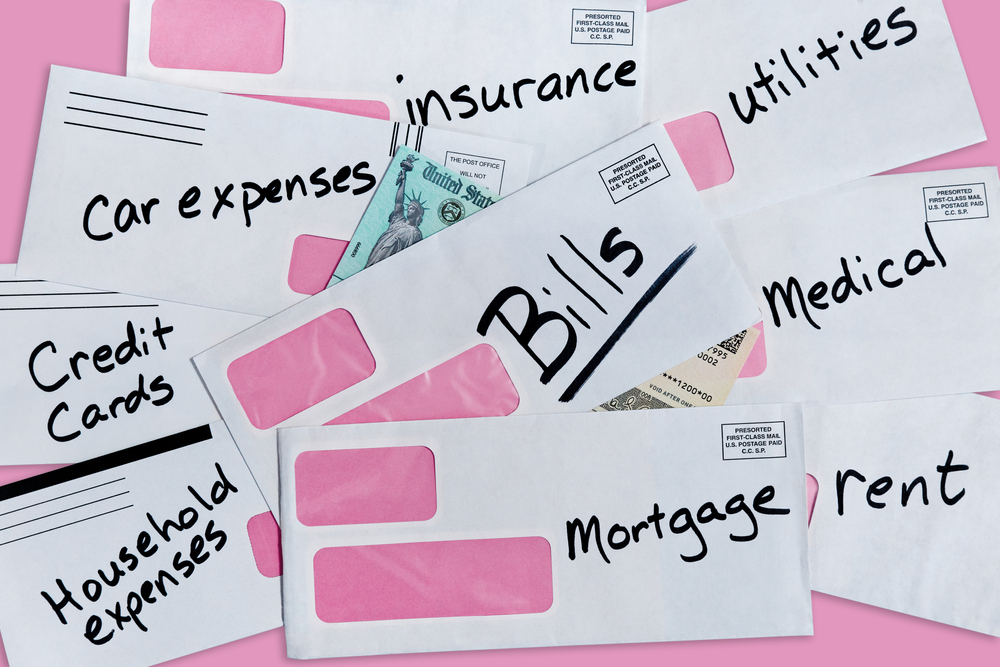
For those feeling trapped by growing bills or struggling to keep up with minimum payments, these programs offer not just financial relief, but also education—empowering participants to rebuild and sustain healthier financial habits.
Federal and State Programs That Can Lighten the Load
1. Debt Management and Counseling Through HUD and NFCC
The U.S. Department of Housing and Urban Development (HUD) and the National Foundation for Credit Counseling (NFCC) both connect individuals with certified nonprofit credit counselors. These counselors help assess debt, create repayment plans, and negotiate with creditors to potentially lower interest rates or waive fees. Importantly, these services are either free or very low-cost.
2. Federal Student Loan Relief Options
For those carrying education debt, federal programs like Income-Driven Repayment (IDR) plans, Public Service Loan Forgiveness (PSLF), and Teacher Loan Forgiveness can significantly ease monthly burdens. IDR programs cap payments based on income and family size, while PSLF forgives remaining balances after ten years of qualifying payments for eligible public service workers.
3. State-Based Consumer Protection and Assistance Programs
Many states operate financial assistance offices that partner with nonprofits to offer debt counseling, foreclosure prevention, and financial literacy workshops. For instance, California’s Department of Financial Protection and Innovation and New York’s Financial Empowerment Centers provide confidential one-on-one counseling and guidance to residents navigating debt challenges.
Nonprofit Organizations Making a Quiet Impact
1. InCharge Debt Solutions
This nonprofit organization works nationwide to help people consolidate unsecured debts into a single monthly payment—often with reduced interest rates negotiated through creditors. InCharge also provides free financial literacy resources and housing counseling.
2. GreenPath Financial Wellness
Operating in all 50 states, GreenPath offers credit counseling, debt management plans, and housing services. Their approach emphasizes education—helping participants understand the root causes of financial strain and develop practical habits for the future.
3. American Consumer Credit Counseling (ACCC)
A well-established nonprofit, ACCC helps consumers lower interest rates, stop late fees, and simplify payments. Their debt management plans often include a roadmap for achieving debt freedom in three to five years, depending on the situation.
Why Turning to Nonprofits Can Be a Smarter Move
Choosing nonprofit or government-based relief options ensures that the focus remains on your best interests—not on generating profit. These organizations are typically accredited, transparent about fees, and committed to ethical standards. In many cases, they’ll help you avoid bankruptcy while still offering a structured way to recover financially.
Additionally, participating in these programs can help you achieve a few other key things.
- Protect your credit by maintaining structured payments rather than settling debts for less than owed.
- Gain personalized guidance from certified counselors trained to identify sustainable solutions.
- Access additional resources for budgeting, saving, and long-term money management.
Taking the First Step Toward Relief
If you’re feeling weighed down by debt, it’s worth exploring these hidden helpers before turning to commercial alternatives. Begin by contacting a nonprofit credit counseling agency certified by the National Foundation for Credit Counseling (NFCC) or the Financial Counseling Association of America (FCAA). These organizations can connect you with reputable counselors in your state who will review your situation confidentially and outline clear options.
Debt can be isolating, but the path to relief doesn’t have to be taken alone. Through the quiet efforts of trusted nonprofits and government initiatives, many Americans have found not only financial stability—but also peace of mind. Sometimes, the most powerful forms of help are the ones that work quietly behind the scenes.