
If you’ve ever felt constantly run-down, moody for no clear reason, or like your energy just never fully returns no matter how much you rest, you’re not alone. More people are realizing that these day-to-day struggles may not start with stress or sleep, but somewhere much deeper, in the gut.
Inside your digestive tract lives an entire ecosystem of bacteria, fungi, and other microbes working quietly around the clock. Collectively known as the microbiome, this community helps your body digest food, absorb nutrients, and even communicate with your immune and nervous systems. When it’s thriving, you tend to feel balanced - physically, mentally, and emotionally. When it’s out of sync, everything from your immunity to your mood can follow suit.
Over the past decade, science has begun to reveal just how much this hidden world influences our wellbeing. Your gut, as it turns out, isn’t just about digestion. It’s a control center for vitality. It teaches the immune system what to fight and what to tolerate, helps regulate inflammation, and can even shape how resilient you feel in daily life.

Nurturing your microbiome isn’t about quick fixes or complicated regimes. It’s about small, mindful choices that restore balance and remind your body how good it’s designed to feel.
The Microbiome: Your Inner Ecosystem
We often think of the human body as being self-contained – a collection of organs, muscles and cells working under one command. But look a little closer, and the picture becomes far more complex. You’re not just you – you’re home to trillions of microorganisms, most of them living in your gut. This intricate community, known as the microbiome, shapes nearly every aspect of health, from how well you digest food to how effectively your immune system responds.
A Living Community Within You
The gut microbiome is made up of bacteria, fungi, viruses, and other microscopic life forms. While that may sound unsettling, most of them aren’t invaders, they’re collaborators. Think of your gut as a thriving garden. Each species has a role to play: some break down fibers into nutrients your body can use, others produce vitamins like B12 and K, and many form protective barriers that keep harmful pathogens at bay.
When this inner garden is diverse and balanced, the whole system functions smoothly. When certain species are lost (often due to poor diet, stress, or medication) that balance can shift, allowing less beneficial microbes to take over. The result? Subtle imbalances that ripple through the body as fatigue, inflammation, or lowered immunity.
From Digestion to Defense
Roughly 70 percent of the body’s immune cells live along the gut wall. Here, microbes and immune cells constantly exchange signals, helping the body recognize which substances are safe and which ones are threats. The healthier the microbiome, the more accurately this system can respond. Allowing it to fend off infection without triggering unnecessary inflammation.
In this way, the gut isn’t separate from the immune system; it’s an essential part of it. A well-nourished microbiome keeps that partnership harmonious, supporting steady energy and overall resilience.

Balance Over Perfection
Gut health isn’t about having the “cleanest” diet or a flawless routine. What matters is diversity - a wide variety of microbes that work together. The more diverse your gut bacteria, the better your body can adapt, recover, and stay well.
What does a thriving microbiome support?
- Efficient digestion and nutrient absorption
- Regulation of inflammation
- Protection against harmful pathogens
- Balanced mood and cognitive clarity
- A calm, responsive immune system
When you think of the microbiome as a living ecosystem rather than a problem to fix, the goal becomes simple: care for it the way you’d care for any environment that sustains life – with balance, patience and consistency.
The Gut-Immune Axis Explained
Your gut and immune systems aren’t two separate entities quietly doing their own jobs – they’re in constant communication. Scientists call this the gut-immune axis, a network of communication that keeps your body’s defenses informed, balanced and at the ready.
The Home to 70% of Immunity
The fact that seventy percent of your immune cells reside in the digestive tract isn’t a coincidence, its strategy. Every bite you eat, every sip you take, introduces new substances into your body. The gut is the first point of contact for these new substances, acting as a border checkpoint. This is where microbes and immune cells decide what gets absorbed into the body and what gets rejected.
A healthy microbiome acts like a seasoned customs officer. It helps immune cells distinguish between friendly visitors (nutrients, beneficial microbes) and potential intruders (pathogens or toxins). When this process works smoothly, your immune response stays measured – strong enough to protect, but not so reactive that it turns against your own tissues.
Messages Across the Microbial Highway
Communication between gut microbes and the immune system happens through tiny chemical messengers. One key group is short-chain fatty acids (SCFAs), compounds produced when bacteria break down fiber. SCFAs help maintain the gut lining and signal immune cells to reduce unnecessary inflammation. In other words, they tell the immune system when to stand down.
This microbial “language” extends beyond the gut. These same compounds travel through the bloodstream, influencing distant organs and even the brain. It’s one of the reasons why your diet has such a powerful effect on overall health and mood.
When the System Falls Out of Tune
Problems arise when the microbiome becomes imbalanced - a state called dysbiosis. Without enough beneficial bacteria, the gut barrier weakens, allowing unwanted particles to slip into the bloodstream. The immune system, sensing an invasion, reacts with widespread inflammation.
This low-grade inflammation can drain energy, strain the immune response, and over time, contribute to chronic conditions ranging from allergies to autoimmune issues. It’s a bit like leaving your car alarm on all night - the constant noise eventually causes more stress than the threat itself.
The good news: the gut-immune axis is remarkably adaptable. With the right nourishment and rhythm, communication between microbes and immune cells can be restored. A balanced microbiome doesn’t just protect you from illness, it teaches your immune system the art of discernment, strengthening your body’s ability to respond with calm precision.

How Gut Health Shapes Mood, Energy & Resilience
You’ve probably felt it before, that flutter in your stomach before a big presentation or the queasiness that comes with stress. These sensations aren’t random. They’re part of the intricate communication between your gut and your brain, a partnership that influences far more than digestion.
The Gut-Brain Connection
The gut and brain are linked through the vagus nerve, a two-way superhighway that constantly exchanges information. While the brain sends signals that affect digestion, the gut sends messages back that can shape your mood, focus, and stress response.
A balanced microbiome plays a key role here. Certain gut bacteria produce neurotransmitters - chemical messengers like serotonin, dopamine, and GABA, that directly influence emotional wellbeing. In fact, around 90% of the body’s serotonin is produced in the gut, not the brain. When microbial diversity is strong, this network stays stable, helping you feel more grounded and emotionally resilient. When it’s disrupted, stress and anxiety can intensify, creating a feedback loop that further unsettles the gut.
Energy Starts in the Microbiome
The gut also helps to determine how efficiently your body converts food into energy. Microbes break down complex carbohydrates and fibers into short-chain fatty acids which nourish your cells and help regulate metabolism.
When the microbiome is balanced, this process runs smoothly, supporting steady energy and metabolic health. But when inflammation takes hold or diversity declines, nutrient absorption can be affected. The result often feels like sluggishness or the kind of fatigue that even sleep can’t quite fix.
Your microbiome also influences how mitochondria (the energy factories within your cells) perform. A healthy gut environment helps these cellular engines run cleanly and efficiently. Think of it as tuning an instrument: when everything’s in sync, your body produces energy with clarity rather than strain.
Stress, Sleep, and the Microbial Cycle
Stress and sleep aren’t just emotional variables; they’re biological ones. Chronic stress triggers the release of cortisol, a hormone that can thin the gut lining and disrupt microbial balance. Poor sleep does something similar, reducing microbial diversity and weakening immune regulation.
It’s a cycle: a stressed or sleep-deprived body alters the microbiome, and that imbalance then makes you more vulnerable to stress and fatigue.
Supporting our gut health isn’t as simple as just what’s on our plate. It’s about rhythm – eating, resting, and managing stress in ways that help your inner ecosystem find stability again. When that balance returns, so does your sense of calm, focus and vitality.
What Disrupts Your Gut’s Natural Balance
The gut is resilient, but it’s also sensitive to the rhythms of everyday life. Everything from what you eat to how you manage stress sends messages to your microbiome. Any of these factors can trigger disruption in the gut, and your microbial community can fall into dysbiosis.

Dietary Disruptors
One of the biggest influences on gut health is diet. Processed foods, refined sugars, and artificial sweeteners can feed the less beneficial microbes while starving the helpful ones. A diet low in fiber means there’s less fuel for good bacteria to thrive on. Without their preferred food source, they struggle to produce the compounds that protect the gut lining and calm inflammation.
Alcohol can have a similar effect, especially in excess. While the occasional glass of wine won’t undo a healthy microbiome, frequent drinking can alter microbial diversity and weaken the gut barrier over time.
Stress and Sleepless Nights
Your microbiome responds to stress just as much as your mind does. When cortisol levels stay high, it changes the gut’s environment, making it harder for beneficial bacteria to survive. Pair that with too little sleep, disrupting the body’s repair cycles, and your gut doesn’t get the rest it needs either. Over time, this can lead to bloating, fatigue, and even lowered immunity.
Antibiotics and Over-Sterilization
Antibiotics are lifesaving, but they’re also indiscriminate. They wipe out harmful bacteria, yes, but they take many good ones with them. After a course of antibiotics, the microbiome often needs weeks or months to rebuild. Similarly, our modern obsession with antibacterial products can limit our exposure to the diverse microbes our immune system needs to stay adaptable.
Common signs your microbiome might be struggling?
- Frequent bloating or irregular digestion
- Recurring infections or colds
- Brain fog or irritability
- Unexplained fatigue
- Skin flare-ups or allergies
The goal isn’t to eliminate these triggers entirely, that would be impossible. It’s to recognize how daily choices interact with your body’s internal ecosystem, and to gently bring that ecosystem back into balance.
Nurturing a Balanced Microbiome
Rebalancing your gut isn’t about following a strict plan or taking a shelf full of supplements. The microbiome thrives on consistency and diversity - two qualities that can be nurtured through simple, everyday habits. By creating the right conditions, you allow beneficial microbes to flourish and, in turn, support your immune system, energy, and mood from the inside out.
Feed the Good Guys
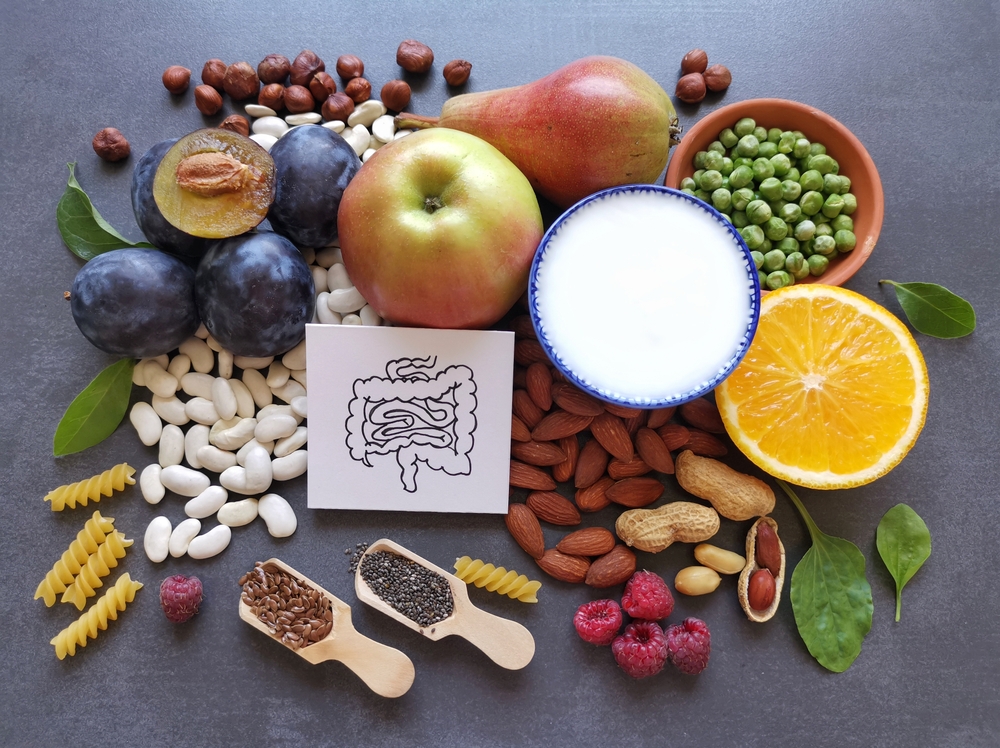
Your microbes eat what you eat - and their favorite fuel is fiber. Specifically, the kind found in fruits, vegetables, legumes, whole grains, nuts, and seeds. These plant fibers act as prebiotics, feeding the beneficial bacteria that produce those short-chain fatty acids (further strengthening your gut lining and calming inflammation).
The goal isn’t perfection, but variety. The more plant-based diversity you include, the more microbial diversity you’ll cultivate. A good benchmark is to aim for around 30 different plant foods per week. This isn’t as daunting as it sounds when you count herbs, nuts, and grains.
Add Live Cultures Thoughtfully
Fermented foods are natural sources of beneficial bacteria, or probiotics. Yogurt, kefir, kimchi, sauerkraut, miso, and tempeh all help repopulate the gut with friendly microbes. Try adding a spoonful of sauerkraut to lunch, a dollop of kefir in your smoothie, or miso in soup.
Probiotic supplements can be useful, but they’re not a magic fix. Different strains do different things, so look for clinically supported blends. The ideal is to choose one with the help of a healthcare provider, particularly if you have digestive or immune issues.
Fiber: The Forgotten Hero
If probiotics are the seeds, fiber is the soil. Soluble fiber (found in oats, flaxseeds, apples, beans) feeds microbes directly, while insoluble fiber (from bran, whole grains, and many vegetables) helps food move smoothly through the digestive tract. Together, they create the conditions for balance.
Start slow if you’re increasing your fiber intake, your gut needs time to adapt. And always pair it with adequate water to help fiber do its job properly.
Rest, Move, and Breathe
Your microbiome doesn’t only respond to what’s on your plate, it reflects how you live. Regular movement, restorative sleep, and mindful stress management all help beneficial microbes thrive.
- Exercise increases microbial diversity, especially moderate aerobic activity like walking, swimming, or cycling.
- Sleep allows the gut lining to repair and immune cells to recalibrate.
- Stress reduction through breathing exercises, meditation, or even a daily walk outdoors, helps regulate cortisol, which in turn supports microbial stability.
Daily Gut-Friendly Habits
Simple steps can make a lasting difference.
- Start mornings with warm water and lemon to stimulate digestion.
- Eat meals at regular times to support your body’s circadian rhythm.
- Include a rainbow of plant foods on your plate each day.
- Take 10 minutes for deep breathing or stretching after meals.
- Limit unnecessary antibiotics and harsh antibacterial products.
You don’t need an overhaul – just a quiet commitment to balance. When you nourish your microbiome, you’re not chasing wellness; you’re cultivating it, mindfully.
Microbiome Myths vs Science
Gut health has become a wellness buzzword, and with that popularity comes plenty of confusion. The truth is both simpler and more profound than most trends suggest - balance, not perfection, is what the microbiome needs.
Myth 1: More Probiotics = Better Health
Probiotics aren’t a one-size-fits-all solution. While they can help restore beneficial bacteria, their effects depend on the specific strains and on what you feed them. Without enough fiber, probiotics can’t thrive for long. Think of them as seeds, they only flourish when planted in nourishing soil.
Myth 2: You Can “Detox” Your Gut
The gut doesn’t need cleansing. It’s designed to detoxify itself through the liver, kidneys, and the natural elimination process. Harsh cleanses or restrictive diets often do more harm than good, stripping away the very microbes that keep your system stable. Supporting your gut is about nourishment, not deprivation.
Myth 3: Gut Health Only Affects Digestion
Digestion is just one part of the picture. The microbiome influences immunity, hormone balance, skin health, and even sleep quality. When your gut is balanced, you’re not only digesting better, you’re thinking clearer, sleeping deeper, and recovering faster.

Strengthening Health from the Core Outward
The path to better health often starts with small, invisible shifts - the kind that happen inside your gut long before you feel them. A balanced microbiome doesn’t just support digestion; it fine-tunes the body’s immune defenses, steadies the mind, and renews your energy from the ground up.
When you care for this inner ecosystem, you’re strengthening the foundation for everything else. Your immune system becomes more discerning. Your energy feels steadier. Your mood settles into balance rather than swinging from high to low. It’s not dramatic, but it’s deeply powerful, the kind of wellness that lasts because it grows naturally.
There’s no single food, supplement, or cleanse that can do it for you. Real vitality comes from daily choices that invite harmony: a diet rich in color and fiber, mindful movement, quality rest, and moments of genuine calm. These habits remind your body of its own intelligence - how to restore, repair, and thrive without being forced.
The next time you think of “boosting” your health, start by thinking smaller. Think microbial. The ecosystem within you is already designed to protect and sustain life. It just needs the right environment to do its work.
True wellness doesn’t start in a pill or a plan – it starts within. The quiet rhythm of your microbiome is patiently shaping how strong, balanced, and alive you feel every day.