
Somewhere between the spotless pantries on social media and the zero-waste challenges, sustainability started to feel like a competition. Glass jars lined in perfect rows, compost bins labeled by color, plastic shaming disguised as inspiration – it’s no wonder many people quietly opt out. But living with less waste was never meant to be about chasing perfection.
It’s about intention – the simple awareness of how we live, what we use, and what we leave behind. The truth is, most of us want to do better for the planet; we just need a version that fits real life. One that doesn’t demand a total lifestyle overhaul, just a shift in attention.
A minimal waste mindset is a practice of noticing patterns (what we consume out of habit, convenience, or comfort) and making small, consistent changes that feel possible. When you treat sustainability as an ongoing relationship rather than a finish line, progress naturally becomes part of your rhythm.

This is where meaningful change begins: not with guilt, but with curiosity. By focusing on intention instead of perfection, we open space for both personal growth and collective impact.
Redefining Sustainability for Real Life
Beyond Aesthetics
Sustainability has, in many ways, been branded. The image is instantly recognizable: reusable jars, neutral-toned homes, perfectly folded linens, and grocery hauls that look like still-life art. While these visuals can inspire, they also narrow what sustainable living looks like and who feels welcome in it.

In truth, living sustainably rarely looks Instagram-perfect. It’s messy, practical, and personal. It’s the teacher who reuses takeout containers for packed lunches, the parent who swaps fast fashion for hand-me-downs, or the retiree who grows herbs on a balcony instead of buying plastic-wrapped bunches. These choices aren’t aesthetic statements. They’re acts of quiet care.
When we move away from appearances and toward purpose, sustainability becomes something flexible, forgiving, and deeply human.
The Principle, Not the Pressure
There’s a common misconception that living sustainably means doing everything, or doing nothing at all. But this “all or nothing” thinking overlooks how change really happens: through small, repeated decisions that add up over time.
The principle behind sustainability is simple - use what you have, waste less where you can, and stay aware of the impact your habits create. You don’t need to tick every box to make a difference. What matters is the intention behind your actions and the willingness to adapt.
Progress, not perfection is what makes a difference.
Sustainability as Self-Reflection
Minimal waste living often mirrors a broader kind of mindfulness. When you pause before buying something new, question why you’re throwing something out, or notice how certain habits make you feel, you’re also tuning in to yourself.
Sustainability isn’t just about the planet, it’s about alignment. The process of reducing waste often leads to a lighter home, a calmer mind, and a clearer sense of what truly matters. It’s less about restriction and more about reclamation: reclaiming your time, energy, and intention from the noise of overconsumption.
That’s what makes this mindset powerful. It’s not about getting everything “right.” It’s about building awareness, step by step, in a way that feels balanced, realistic, and kind.
The Psychology of Perfectionism & the Guilt Trap
The Guilt Doesn’t Help
Many people start their sustainability journey with genuine enthusiasm, then stop the first time they forget their reusable bag. The problem isn’t a lack of motivation; it’s the quiet pressure to be flawless. When “eco-friendly” becomes synonymous with “never slip up,” guilt sneaks in and progress stalls.
Perfectionism can turn a meaningful effort into a mental burden. You recycle every bottle, then feel defeated when you order takeout. You bike to work for a week, then feel hypocritical when it rains and you drive. But sustainability was never meant to be a test of moral purity. It’s a practice of awareness, not self-criticism.
Letting go of guilt allows space for something more productive - curiosity. Instead of asking, “Did I fail?” try asking, “What can I adjust next time?” That small mental shift transforms mistakes into learning moments, not setbacks.
The Progress Principle
Progress rarely feels dramatic in real time. It happens quietly - through repetition, reflection, and self-compassion. The “progress principle” is simple: the more sustainable habits you build gently, the longer they last.
Studies in behavior change show that positive reinforcement works far better than shame. When people focus on what’s working rather than what’s missing, consistency follows. Celebrate the small wins: refilling a bottle, repairing something instead of replacing it, or saying no to an impulse purchase. Each choice is a brick in the foundation of a lifestyle that feels natural, not forced.
Letting Go of ‘All or Nothing’
Rigid ideals, like living a completely zero-waste life, sound admirable but often end up unsustainable. The truth is, no one produces zero waste. Even the most dedicated environmentalists operate within imperfect systems.
The goal isn’t elimination, it’s reduction. Not purity, but presence. Allow yourself room for real life - to forget, to make exceptions, to grow. Progress doesn’t move in a straight line, and neither does sustainability.
When you replace guilt with grace, you make space for the kind of mindful, meaningful progress that lasts a lifetime.

Small Shifts, Real Impact
Start Where You Are
Sustainability doesn’t begin with buying bamboo cutlery or swapping every product in your home. It begins with observation. Notice where most of your waste comes from: food packaging, clothes, transport, or maybe energy use. Starting there keeps your effort focused and your motivation intact.
Every household has different rhythms and limits. What matters is progress that fits your lifestyle, not someone else’s. For one person, it might mean planning meals to reduce food waste. For another, it’s carrying a reusable cup or choosing secondhand clothes. These choices may seem small, but collectively, they form the roots of real change.
You don’t need a perfect system, you just need to start.
Consistency Over Complexity
A common mistake is trying to do too much, too soon. When we overhaul everything at once, habits rarely stick. The science of behavior change suggests something simpler: habit stacking. Attach a new action to one that already exists.
For example.
- When you make morning coffee, rinse and refill your water bottle.
- When you unpack groceries, set aside packaging that can be reused or recycled.
- When you scroll online shopping sites, pause and ask, “Do I already have something that works?”
The easier a habit is to repeat, the more naturally it becomes part of daily life. Over time, these small decisions form the invisible architecture of a lower-waste routine - one that doesn’t rely on willpower alone.
Simple Swaps That Stick
The goal isn’t to eliminate every disposable item - it’s to make thoughtful exchanges where they count. Try these realistic, low-effort swaps that bring lasting results.
- Refill cleaning or personal care products when possible.
- Save glass jars for storage or homemade dressings.
- Repair small household items instead of replacing them.
- Compost food scraps - even if it’s just herbs or fruit peels.
- Share or borrow books, tools, or appliances from friends.
- Choose experiences or digital gifts instead of physical ones.
- Support local produce markets when you can.
Each swap helps you move closer to a lifestyle rooted in mindfulness, not sacrifice.
The beauty of these changes lies in their ripple effect. Once you experience the satisfaction of throwing away less, it shifts how you see everything, from what you buy to how you value it. The process feels less like restriction and more like refinement: choosing what matters, and letting the rest go.
Intention as a Daily Practice
The Mindful Consumption Loop
Most of us move through our routines on autopilot - grabbing what’s convenient, ordering what’s familiar, discarding what’s no longer useful. But when we pause before each of those moments, something shifts. We start noticing the small choices that add up: how often we buy, how quickly we toss, and how easily we replace rather than repair.
Mindful consumption isn’t about perfection; it’s about awareness. That moment of pause before tapping “add to cart” or throwing something away creates space for intention. You might ask, Do I really need this? Is there a better way? Sometimes the answer is yes, sometimes it’s no. The value lies in asking. Over time, these micro-pauses become habits, guiding your decisions without effort.

The Ripple Effect
Intention is powerful. It doesn’t just change how you live, but how others experience life around you. When friends see you reuse, repair, or choose thoughtfully, it plants a seed. Conversations start, perspectives widen, and awareness spreads.
It’s easy to underestimate this ripple effect. One person choosing to reduce waste won’t solve the climate crisis, but collective intention can reshape entire systems. Cultural shifts are just individual actions multiplied thousands of times. When intention becomes normalized, change scales naturally.
From Mindset to Meaning
Sustainable living is often framed as a duty, but it can also be a source of calm. There’s a quiet satisfaction in aligning your actions with your values. Owning less, wasting less, and feeling lighter can be the result.
Reducing waste isn’t just about helping the planet; it’s about creating space for what brings meaning. Physically, a clutter-free home feels clearer. Mentally, a conscious purchase feels more rewarding. The act of slowing down to make intentional choices builds a sense of control and gratitude that spills into every area of life.
Minimal waste isn’t a list of rules – it’s a rhythm of awareness, gratitude, and small, deliberate care. When practiced daily, intention can move from feeling like effort, to feeling like alignment.
The Modern Barriers to Living Sustainability
Accessibility & Privilege
For all the beauty of the minimal waste mindset, it’s important to admit something: not everyone has the same options. Many of the choices labeled “eco-friendly” still come with higher price tags, limited availability, or extra time that busy lives don’t always allow. Bulk-buy stores and refill stations aren’t on every corner. Organic produce costs more. And when you’re balancing family, work, or financial pressure, sustainability can feel like a luxury.
This doesn’t change the goal, it just emphasizes the need for inclusivity. A sustainable world can’t rely on perfection from a few; it depends on participation from many. By embracing flexibility, empathy, and creativity, we make space for everyone to contribute in ways that fit their circumstances.
The ‘Good Enough’ Approach
When resources are limited, “good enough” is not failure, its strategy. Buying local when you can, choosing quality over quantity, or simply reducing food waste at home all count. Sometimes the most sustainable choice is the one that keeps life moving smoothly.
Instead of comparing your efforts to an idealized version of sustainability, measure them against your own capacity. The planet doesn’t need a handful of people doing everything perfectly; it needs millions doing what they can, consistently.
This “good enough” mindset also protects your mental wellbeing. It replaces the exhaustion of striving with the calm of acceptance. It reminds you that sustainability isn’t about moral status, it’s about mindful participation.
Community Over Competition
The sustainability movement gains strength through connection, not competition. Sharing resources, swapping items, supporting local makers, or joining community composting programs turns individual action into collective resilience.
When we stop treating sustainability as a personal challenge and start viewing it as a shared culture, the pressure lifts. The focus shifts from perfection to cooperation - from “my impact” to our impact.
Living sustainably will always involve some compromise, but it also invites creativity, connection, and compassion. Real progress happens when we meet each other where we are, and move forward together.

Living the Mindset: A Realistic Framework
Intentionality, Integrity, & Incremental Change
Minimal waste living can’t be boiled down into a checklist, it’s a mindset you return to again and again. The most sustainable progress comes when values and behavior move in the same direction, at a pace that fits your life. Think of it as a rhythm built around three pillars.
- Intentionality: The habit of awareness. It’s pausing before each purchase, asking what purpose it serves and choosing with care.
- Integrity: The alignment between what you believe and how you live. It doesn’t mean perfection, it means honesty. You do your best with the options you have, and stay open to learning as you go.
- Incremental Change: The understanding that transformation happens step by step. Habits stick when they feel realistic. Add new practices slowly, and let each one settle before adding the next.
This trio keeps sustainability grounded in reality. It’s flexible enough to adapt to shifting circumstances, yet strong enough to stay consistent through them.
Aligning with Your Why
Every lasting habit has an emotional core - a reason that keeps it meaningful. Maybe you want a calmer, less cluttered home. Maybe you care about the world your children will inherit. Or maybe you simply want to live with more intention and less waste, in every sense of the word.
When you define your why, sustainability stops feeling like a set of rules and starts feeling like an expression of purpose. Revisit that “why” whenever your energy dips. It’s what turns habit into heritage - something you’ll naturally pass along through your words, your choices, and your example.
Sustainability as a Joyful Act
A minimal waste life isn’t about doing less, as much as enjoying more of what matters. There’s joy in repairing something you love, pride in using what you already own, satisfaction in knowing you’re contributing to something bigger.
When sustainability feels joyful, it becomes self-motivating. The effort no longer feels heavy because its rooted in intention, not obligation. Here, change can become second nature – steady, imperfect and profoundly human.
Progress Over Perfection, Every Step of the Way
Perfection may photograph well, but intention actually lasts. The minimal waste mindset isn’t about flawless execution; it’s about awareness that evolves with you. Every time you pause before buying something new, repair instead of replace, or simply intentionally use what you already have, you’re proving that progress doesn’t need to be grand to be meaningful.
There’s a beauty in the imperfect rhythm of trying. Some days you’ll forget your reusable cup or throw away something you meant to recycle. Other days you’ll catch yourself making a better choice without even thinking about it. Both moments matter. What defines a sustainable life isn’t the absence of mistakes, but the presence of effort.
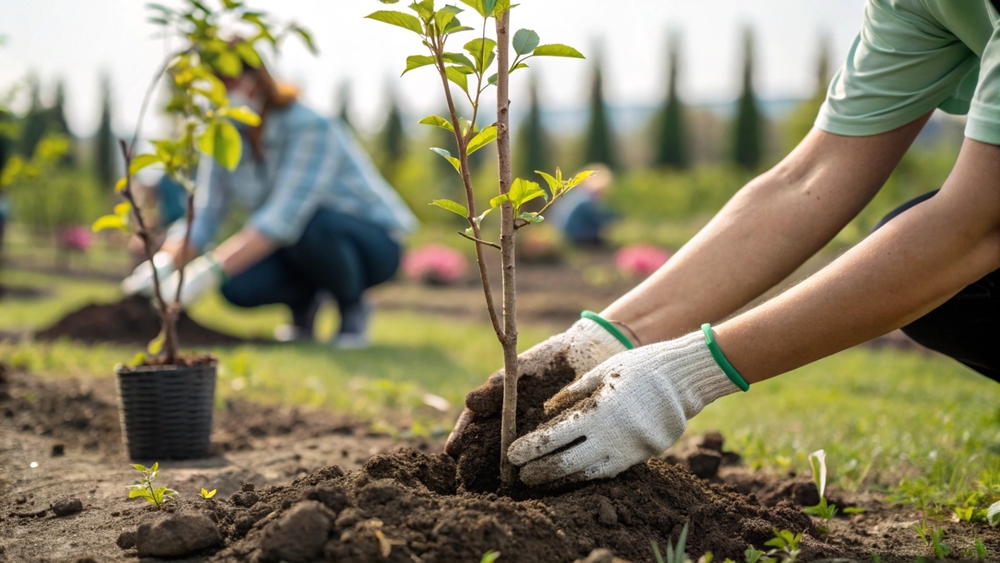
When you approach sustainability as a relationship rather than a race, it starts to enrich your life instead of restrict it. You become more present and more connected to your individual world, as one as the wider world around you.
Progress built on intention has its own quiet strength. It doesn’t shout or demand perfection, it just is. And if enough of us were to practice that kind of progress, it could become something far larger than personal change. That imperfect, persistent change can become cultural.
Because in the end, a minimal waste life isn’t measured by how little you throw away, but by how deeply you value what stays.