
Have you ever looked around your home and wondered how much of what you own truly lasts? In a world where products are designed to be replaced, not repaired, embracing circular living offers a thoughtful alternative. It’s a philosophy that blends sustainability with sophistication—one that values longevity, creativity, and conscious consumption without compromising the beauty or functionality of your surroundings.
Circular living redefines the way we interact with what we buy, wear, and use. It’s not about deprivation or minimalism for its own sake—it’s about finding balance. The idea is simple: reduce waste by choosing better, reusing longer, and keeping materials in motion instead of sending them to landfills. And when done with intention, it can enhance your lifestyle in ways that feel both elegant and deeply personal.
The Essence of Circular Living
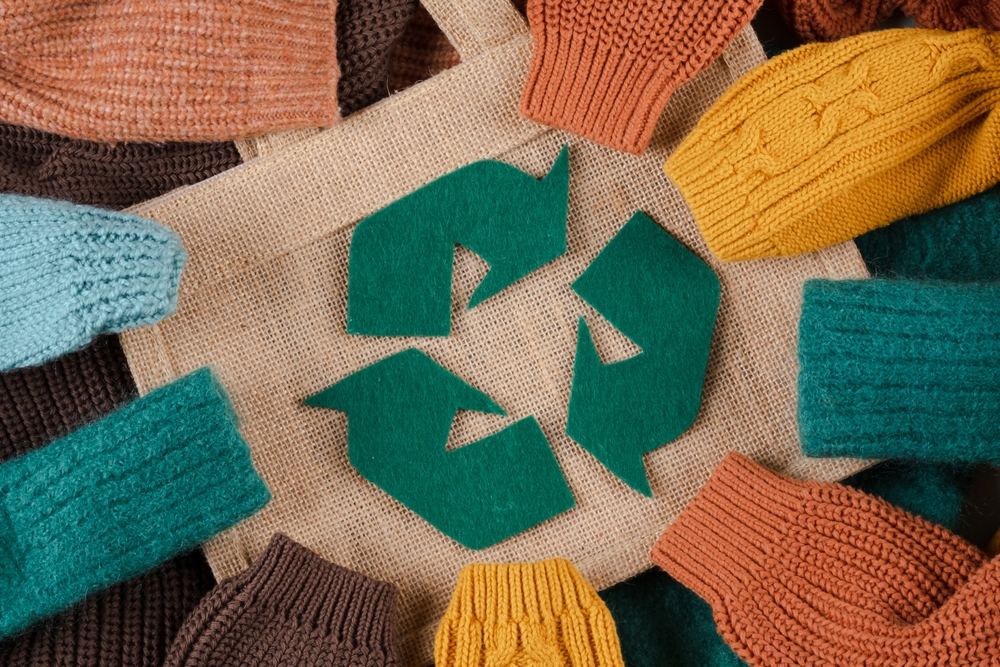
At its heart, circular living encourages us to view our belongings as part of an ongoing cycle rather than a straight line from purchase to disposal. It asks us to think about how things are made, how they’re maintained, and what happens after their first use. This approach naturally favors quality over quantity, which aligns beautifully with a lifestyle centered on mindful enjoyment and long-term value.
Circular living can be applied to nearly every aspect of daily life—wardrobe, home design, food, and even technology. By shifting toward durability, repairability, and thoughtful reuse, we not only reduce environmental impact but also cultivate a sense of harmony and intentionality.
Making the Shift Without Losing Your Style
Adopting a circular mindset doesn’t mean trading refinement for restraint. In fact, it can heighten your sense of style by encouraging more deliberate choices and deeper appreciation for craftsmanship and design.
- Choose pieces with timeless silhouettes rather than trend-driven shapes. A well-tailored blazer, a handcrafted dining table, or a pair of classic leather shoes can endure for years, both in form and in fashion.
- Invest in materials that age beautifully. Natural fabrics like linen, wool, and organic cotton, or durable surfaces like wood and stone, develop character with time.
- Embrace repair and restoration. A seamstress’s skill or a local upholsterer’s touch can breathe new life into what might otherwise be discarded.
- Mix vintage and modern elements. Combining pre-loved finds with new essentials creates layers of texture and story—your home or wardrobe feels curated rather than cluttered.
This kind of elegance—quiet, confident, and enduring—reflects a deeper sense of self rather than a desire to constantly refresh and replace.
Small Shifts That Add Up
Circular living thrives in the details. It’s about creating systems that make sustainable habits second nature rather than burdensome chores. Consider how small decisions compound over time.
- Opt for refillable containers for home products, from cleaning supplies to perfume.
- Borrow, rent, or swap instead of buying new for short-term needs.
- Support brands with transparent supply chains and take-back programs that keep products in circulation.
- Learn the basics of fabric care, shoe maintenance, and simple mending. Extending a product’s lifespan by even a few years significantly reduces waste.
- Compost kitchen scraps or use local collection services to return nutrients to the earth.
Each of these choices, modest on its own, becomes part of a larger rhythm—a lifestyle that values continuity over consumption.
Reimagining Luxury Through Longevity
The idea of luxury has evolved. It’s no longer defined solely by price or prestige but by purpose and permanence. A cashmere sweater that lasts a decade, a porcelain plate passed down through generations, or a repaired leather bag with a history—these speak to a kind of abundance that can’t be bought impulsively.
Luxury in a circular sense celebrates the artistry of preservation. It’s the pleasure of knowing where something came from, who made it, and how it continues to serve. By curating fewer but finer possessions, we create a living environment that feels more grounded, personal, and enduring.
Circular living also nurtures emotional sustainability. When we care for what we own, we form attachments that replace the need for constant novelty. A home filled with pieces that tell a story offers comfort and continuity, qualities that fast consumption can never replicate.
Living with Grace and Intention
Ultimately, circular living is less about rules and more about mindset. It invites a slower, more deliberate relationship with the world—one that prizes quality time, mindful consumption, and respect for the materials around us. Style, in this sense, becomes an expression of thoughtfulness rather than excess.
Sustainability and sophistication can coexist effortlessly when guided by intention. When we choose fewer, better things and engage with them fully, we rediscover the quiet satisfaction that comes from living well—not more.
The Beauty of What Endures
A life built on circular principles reminds us that elegance isn’t fleeting—it deepens with time. Every garment repaired, every object repurposed, every mindful purchase made is a quiet act of continuity. By embracing what lasts, we craft a legacy of care and consciousness—one that reflects not only personal taste but also a deeper understanding of what it means to live beautifully, responsibly, and with grace.