
When we think about making a home more energy-efficient, we may imagine investing in expensive tech, tearing down walls and replacing the roof. But, many powerful changes can be made without involving a contractor and draining your bank balance. Engagement with energy efficiency can be a more thoughtful process. Small strategic improvements can trim carbon emissions and costs with no loss in year-round comfort. The true beauty of this approach is the revelation that comfort and sustainability are not mutually exclusive. With some awareness, inexpensive materials and small habit adjustments, a home can be transformed into a cozy and energy efficient haven.
The Hidden Energy Thieves: Finding and Sealing Air Leaks
Imagine pouring a glass of water with a crack in the bottom; inevitably, some of the water runs out as you drink it. This is what happens when you have air leaks in your home. When you pay to treat air with your AC and heating systems and it escapes through cracks, gaps and holes, you’re wasting money and energy. Without close monitoring, you may not even realize that this is happening, but it will be reflected in your energy bills.
Air leaks are a huge driver of wasted household energy, but the good news is that they are very easy to fix. The first step is to find the air leaks and this may be the most challenging aspect of the process. When it’s windy outdoors, take a walk around your home with a lit candle or an incense stick. Linger at the doors, windows, outlets and baseboards and observe how the flame or smoke reacts. If there is wavering and blowing sideways, you’ve found a draft that needs sealing. The common places to find drafts are door frames, dryer vents, attic hatches, recessed lighting and window sashes. When you’ve found a draft mark it with chalk or a pencil and move on to find the next one.
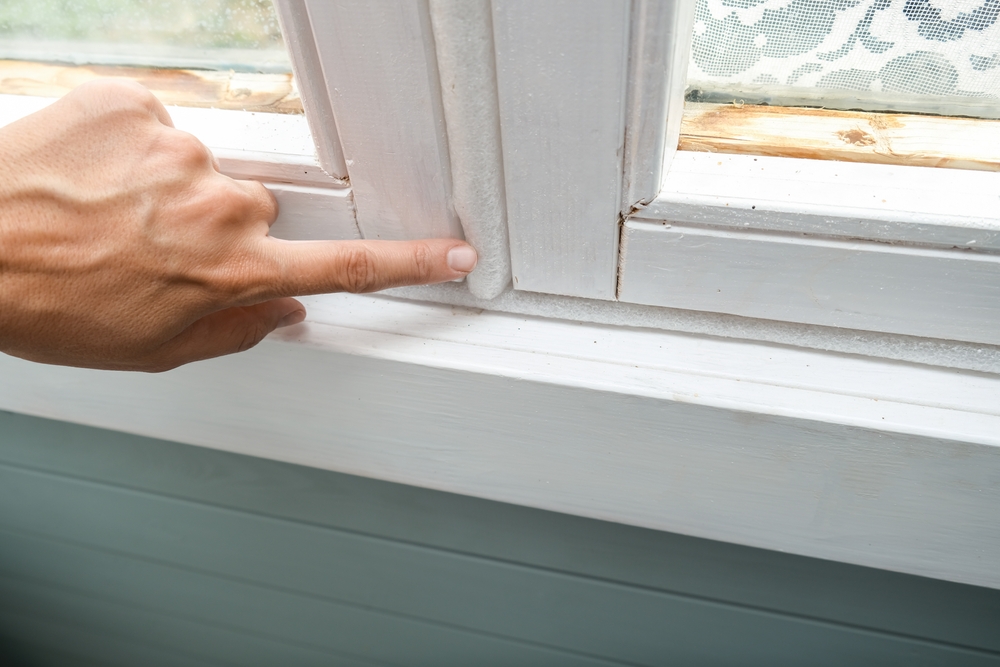
When you know where the leaks are, it’s time to seal them, which is a straightforward and inexpensive process. Caulk is an excellent way to seal any stationary cracks around window trim and weatherstripping is ideal for moving parts like operable windows and doors. A roll of peel-and-stick weatherstripping and a few tubes of silicone caulk can make a dramatic impact on the comfort level in the home and the energy bills. Consider adding a door sweep to external doors to prevent drafts from accessing the entryways. This will reduce humidity in summer and the chill of winter and the difference can be felt almost instantly.
Insulation: The Unsung Hero of Energy Savings
Many eco-friendly solutions are reliant on some form of power, which to a certain degree mitigates their potential benefits. But, insulation is truly a passive measure that can keep the indoor climate stable after any air leaks are sealed. Many older homes have insulation levels that have degraded over time or are insufficient. When a home is fully reinsulated, it can be a major project, but smaller improvements can be effective.
The best place to start is the attic; heat rises and if the insulation at the top of the home is insufficient that warmth will drift upwards and straight through the ceiling. There are two simple insulation projects that anyone with basic DIY skills can handle over a weekend. First, additional loose-fill insulation can be blown into the attic space to add an extra layer. Second, rolls of thick insulation can be placed between the joists. The payoff for both approaches can be impressive, attic insulation can reduce the costs of health and cooling by up to 15%.
Insulating walls is a trickier proposition, if you don’t want to spend money opening them up. But, there are other locations like crawl spaces and basements where insulation improvements can be made. Add rigid foam insulation boards to exposed rim joists and basement walls and you may notice an improvement in comfort and energy efficiency.
Another other less obvious place to check are the backs of electrical outlets located on exterior walls. Adding foam gaskets for outlets and sealing tiny air gaps around light switches can make a huge difference to the insulation profile. The best way to think about insulation is a series of smaller upgrades that layer together. Each piece that you add will improve the comfort levels and lower the energy requirements.
Windows: Maximizing Efficiency Without Replacing Them
One of the more expensive energy efficiency upgrades is window replacement. But, there are things that you can do to improve the performance of them without removing a pane of glass. The best place to start is to seal the sashes and frames as discussed earlier. This will help you to gain better control over the temperature exchange that occurs through the glass.
Adding cellular shades, insulated drapes and thermal curtains to windows can help to keep the warm in during colder winter months. They do double-duty in summer because they block outside heat from penetrating the glass and entering the home. If you close these curtains during the coldest or hottest parts of the day, they will improve the comfort levels and reduce the energy consumption.
Another simple fix is to apply heat-control window film to the surface of the glass. These are virtually invisible films that prevent heat loss in winter and reduce solar gain during warmer months. They are simple to apply, they can be removed and they cost a fraction of the cost of new thermally efficient window systems.
The final simple window fix is to relocate your current curtain rod to make energy efficiency gains. It can be mounted closer to the wall or you could use wraparound rods to seal in the treated air. This makes the windows part of a layered system and not a single static feature where cold or heat can enter. With a few simple adjustments, you can get your existing windows to work harder for you and reap the benefits.
Lighting: The Quickest Win in Energy Efficiency
One area that modern technology has made affordable and efficient is lighting. This can be the MVP of an energy-efficient strategy; LED bulbs are inexpensive and easy to use. The modern LED bulbs are brighter, more efficient and available in a wide variety of color temperatures to match your mood and decor. This may seem too easy to make a difference, but the payoff is extremely fast. An LED bulb can use up to 75% less energy than a traditional incandescent bulb and last 15-20 years. Even if you replace just a handful of the bulbs you use most, you can cut your energy consumption for lighting by 50% or more!
Additional efficiency gains can be made if you consider using smart switches and/or smart bulbs. These allow the user to schedule how their lights operate, they can be dimmed automatically, and turned off remotely. If you’re the type of person that goes on vacation and wonders if they left the lights on, this could be the solution for you. Natural light is important, letting light in during the day can naturally heat the home, boost your mood and make you feel more energized and productive. This is a simple efficiency upgrade that costs nothing and it’s easy to implement.
Appliances: Smarter Use, Longer Life
An energy-efficient appliance is a smart investment, but many of us are not ready to part with machines that function perfectly. So, it’s good to know that our favorite older appliances may perform more efficiently with a few tweaks in how we use them.
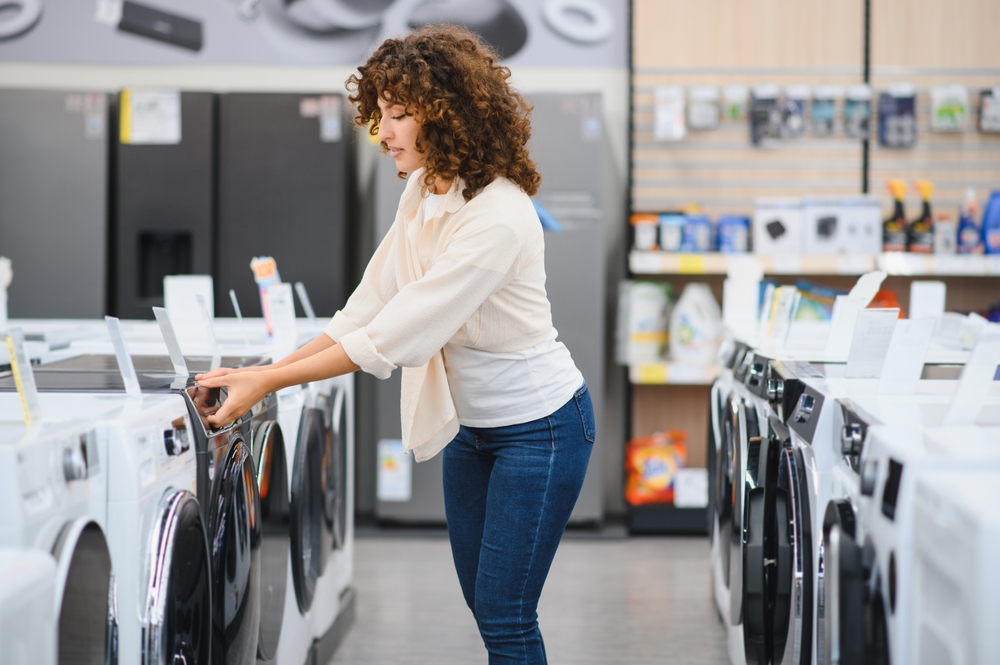
The best place to start is the refrigerator; it’s a big energy consumer in the kitchen. It should be kept clean and this includes the coils under or behind the appliance. A layer of dust will act as insulation and force the internal compressor to work hard which consumes more energy. Keep the door seals tight and replace them if you find any kinks or gaps where the treated air can escape. To test this, close the door on a dollar bill and pull on it. If the bill can be easily pulled out, it’s time to replace the door gasket.
The dishwasher efficiency can be improved with some small adjustments to your habits. Only run the machine when it’s full, switch to the air-dry setting and don’t use heat-dry. Always scrape and don’t rinse the dishes before you load them into the machine.
Our laundry habits are another area where we can make easy savings. If you wash in cold water, your fabrics last longer and the energy use is dramatically lowered. Modern detergents are now formulated to perform effectively in cold water. So, you only need warm or hot cycles for heavily soiled loads and not much else. When you dry, make sure the lint filter is clean and hang the items to air-dry them when you can. These may seem like minor adjustments, but they all add to meaningful savings. Energy efficiency is not always about having the best or latest gadgets and we can get better performance out of the appliances we already own and use.
Heating and Cooling: Small Tweaks, Big Comfort
The largest portion of most household energy bills is heating and cooling. Investing in a new energy-efficient HVAC system makes sense, but you can make meaningful changes at a smaller scale. Start with the air filters, if they are dirty the system works harder which wears out components and consumes more energy. The filters should be replaced every 1-3 months depending on the needs of your system (check the manual). If you have pets in the home, you may need to replace them more often due to pet dander.
Take a look at the thermostat, if it’s an older manual dial model, consider an upgrade to a smart or programmable model. They can make a huge difference because they make automatic temperature adjustments when you’re asleep or away from home. This can save energy without you making any effort at all. Even a modest temperature adjustment of 1-3º can significantly lower cooling and heating bills and you won’t notice any difference.
Strategic ceiling fan use is another neat trick that can change the temperature in the room. The fans don’t alter the temperature at all, but they move around the treated air and this makes the rooms feel more comfortable. In the summer, the fans can be set to spin counterclockwise to create a light cool breeze effect. In winter, the direction can be reversed to gently push the treated warm air back down into the room from the ceiling.
Many homes have rooms that can feel warmer or cooler than others which can be disconcerting. Take a look at the vents in these rooms; if they are open, consider closing them or adding draft stoppers to interior doors. This will create a better air distribution balance and lower the workload of the HVAC system. When you understand the airflow in your home, it’s easier to make choices that work with the system and not against it.
Water Heating: Hidden Energy, Easy Savings
There are simple and low-cost ways to make your water heating system more efficient without replacing the water heater. To start, lower the temperature, it may be set to 140ºF by default, but 120ºF is effective and safer. This is especially true if kids and elders are living in the home. By making this simple adjustment, the energy use can be reduced by 6-10% for water heating.
Next, make sure your water heater tank and the initial few feet of hot water pipes are properly insulated. When these areas have sufficient insulation, they retain heat for much longer and this lowers the energy cost of heating water. There are inexpensive pre-cut pipe sleeves and water heater blankets at all good home improvement stores. If you need to wait for the shower to warm up in the mornings, this upgrade will also speed up the process.

Finally, pay close attention to when and how you use hot water in your home. Running partial loads in the dishwasher, taking long hot showers and ignoring leaky faucets will waste water and energy. Even a single drip of water from the faucet every second can equate to 3.000 gallons of wasted water in a year. This may be hot water that your heater expended energy to warm up and now it’s going directly into the drain!
The Power of Smart Habits
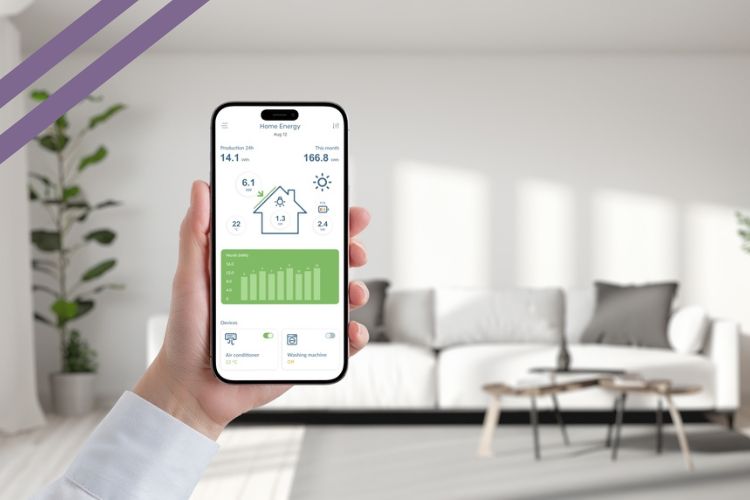
Our behavior can be more powerful than technology when it comes to making energy efficiency improvements. Turning off lights when you leave the room, avoiding leaving devices on standby and unplugging chargers when they’re not in use are great habits to adopt. Make adjustments to blinds to allow warm sunlight into a room during colder winter months for natural heating. In summer do the opposite to keep the heat out in the hottest parts of the day to avoid overworking the HVAC system. It’s easy to monitor your energy usage with a home energy monitor or through the utility company’s app. When you view your consumption in real time, those numbers become something you can change. It’s motivating to make a positive change and watch the energy usage drop.
Simple Ways to Boost Home Energy Efficiency
Layering Comfort: Textiles, Rugs, and Thermal Mass
Indoor comfort isn’t dictated entirely by the temperature, it’s about the feel of the environment and small choices can naturally make a space feel cooler or warmer. A good example of this in action is adding rugs to cover a tile or hardwood floor to reduce heat loss. This makes the room feel warmer and no energy is expended. Adding heavier drapes to windows in winter will improve insulation and lighter fabrics during the summer months can make rooms feel airy and cool.
The placement of furniture matters, don’t block vents with tall pieces, curtains and couches. This will disrupt the airflow, the heating and cooling will be less efficient. Adding taller bookshelves or furniture against exterior walls may add insulation with an extra layer between you and the outdoor temperatures. In homes that have brick, concrete or tile surfaces, their thermal mass can work in your favor. These types of materials will absorb heat during the day and then slowly release it at night. This is a passive form of heating which will naturally balance the indoor temperatures. If you let the sunlight shine on those surfaces during the day and close the curtains at night, you’re getting the best of both worlds and it’s free!
Small Steps, Big Impact
As you can see, making your home more energy efficient doesn’t mean that you need to sacrifice home comfort and spend a lot of money on construction crews. If you look at your home as a system where light, temperature, airflow and habits mesh together, it starts to make more sense. Every LED bulb you add, each crack you caulk and the other mindful choices you make will add up to more than the sum of their parts. The result is a home with a smaller carbon footprint, lower energy bills and you didn’t need to break the bank. This is a cozier, smarter and more thoughtful way to enjoy your home throughout the entire year.