
There is something wondrous about entering a home that’s well cared for and filled with little intentional touches that make it feel alive. Many homeowners have begun to think about the impact of renovations and not just how they might affect their return on investment (ROI). A home can reflect who the resident is, how they belong and what matters to them.
This fresh approach to the upgrading of living spaces is not focused on chasing trends, it’s about adding soul, stories and sustainability to homes. This goes beyond an eco-friendly checklist, it’s about adopting a mindset where personal well-being, health and environmental concerns are seamlessly meshed together. This is how we can add real and lasting value to our homes and our sense of place.
Rethinking “Value” in Home Design
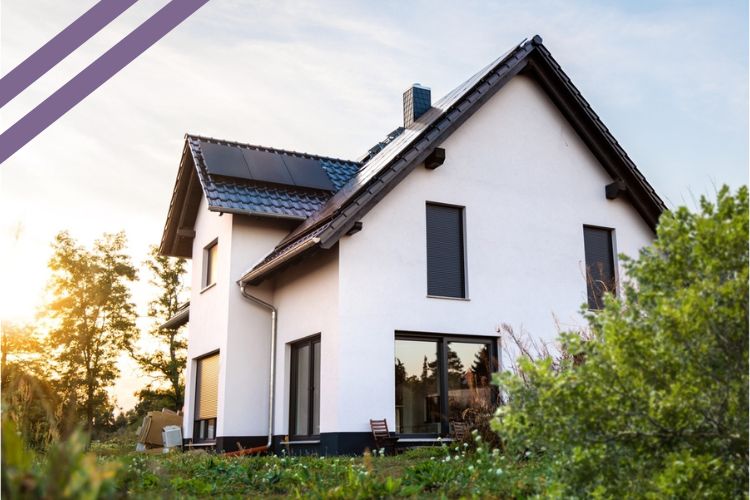
In the traditional sense, home improvement value has been measured in curb appeal, square footage and resale potential. But, our definitions have expanded in a world that seems chaotic and poorly managed. A renovation that uses locally sourced materials, lowers waste output and reduces energy consumption may save money and contribute to a healthier ecosystem. A home that’s emotionally resonant and restorative offers value that can’t be quantified on a checklist or spreadsheet. Engaging with sustainable thinking invites us to consider our homes not as objects, but as ecosystems. Every surface, material, fixture and finish forms part of a larger story. Investing in sustainable upgrades is not simply improving the structure, its alignment with values and your daily life. This adjustment can be satisfying, it gives the home a deeper sense of work and this can transcend property market trends.
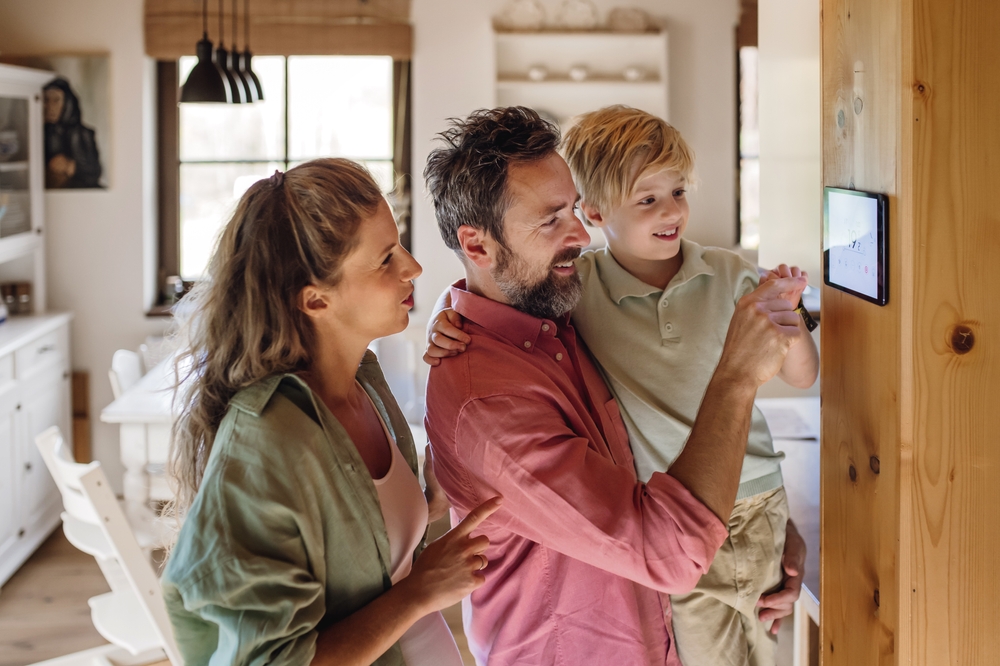
The Emotional Architecture of a Home
A renovation that’s truly sustainable doesn’t just offer environmental protection, it nurtures our spirit. The emotional impact of our surroundings is powerful, but understated unless you’re paying close attention. Think about how you feel when you enter a sunlit kitchen, do you feel more awake? After a long day at work, does the feel of a stone or wood surface make you feel at ease and grounded? These sensations are formed by smart design choices that are in alignment with human nature and psychology. Designers may refer to this as “emotional architecture” which describes how a space can influence our mood and add meaning to our interactions with it. When we add sustainability into that equation, the results can be profoundly transformative. Imagine a home with wood beams reclaimed from a local old barn that had reached the end of its useful existence. Perhaps there’s a wall of native plants that softens the acoustics in a space and freshens the air? At first glance, these may seem like purely aesthetic choices, but they are powerful emotional anchors, they can connect us with a sense of purpose and place.
Starting Where You Are
If this concept sounds intriguing, it’s natural to wonder how you can get started in your own home renovation projects. Before you go ahead and order that eco-certified flooring or tear down a wall, pause and take a closer look at what’s already there. In many cases, the most sustainable renovations begin with making the most of what’s already in-place. Choosing to reuse and repurpose is the silent hero in many sustainable design choices. Perhaps you have a dated piece of furniture that would look amazing if it was refinished? Maybe those aging tiles could be repurposed to create a mosaic backsplash?
When we preserve materials we honor the time, effort and resources that went into creating them. When we work within the confined of existing features it can be energising and satisfying. The pace is slower, the choices feel more intentional and we have the option to be more creative. The home is not a blank slate waiting to be filled with objects, it’s place that evolves with each choice we make. Even imperfections become an opportunity for design and every reused piece adds character and a little piece of history.
The Beauty of Natural Materials
Homes that are filled with natural materials feel comfortable for good reasons. These wood, stone, clay, linen, bamboo and wool surfaces are organic, they have texture and they connect us with nature. Beyond the immediate aesthetic appeal, these materials look better with the passage of time, they soften, become richer, they patina and they instill a sense of harmony.
When it comes to sustainability, natural materials are typically the best choices. They are renewable, biodegradable and they require far less processing than synthetic alternatives. For example: locally sourced timber supports the economy in your region and the transport reduction lessens the emissions. If you choose clay plaster walls, the surfaces help to naturally regulate the indoor humidity. Even adding a simple touch like a wool over a synthetic rug still adds tactile warmth and improves your indoor air quality at the same time. When you choose natural materials, it’s easier to appreciate the texture, craftsmanship and subtle characteristics that make the piece unique. In our modern culture, we are obsessed with the new and novel and appreciating objects and surfaces in this manner can feel like a radical act.
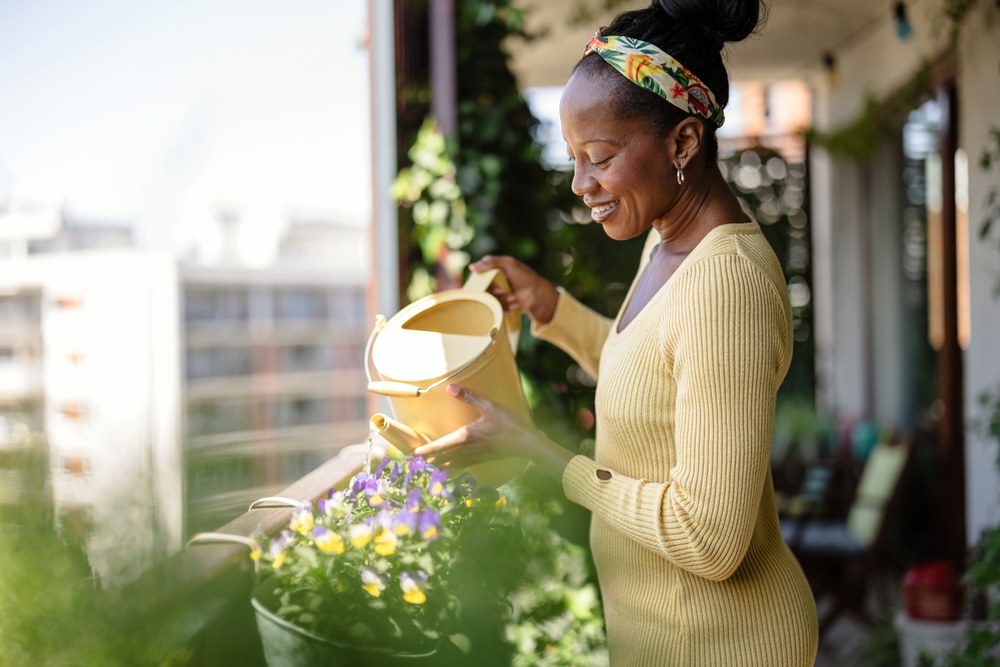
Energy Efficiency as a Love Language
This may seem like a strange concept, but making your home energy efficient is a deeply loving act that is a gift to yourself and the world. This is a grandiose statement, but as you upgrade to energy-efficient windows, improve insulation and install a heat pump, you are making an impact. These changes may not be aesthetically pleasing as a new kitchen island, but they do increase comfort and reduce your carbon footprint at the same time.
Enduring sweltering summers and chilling winters can be replaced with smart thermostats, solar panels, adjustable LED lighting and improved indoor air. There are practical benefits in terms of control and reduced utility costs. But, there is great emotional satisfaction when you know that your home has integrity, it uses what it needs to get the job done, no more and no less. These are invisible design improvements, the effects may go unnoticed at first, but they will shape your daily living experience.
Water: The Forgotten Element of Sustainable Living
Water is an often overlooked topic when it comes to home renovations. But, with intentional design choices, we can improve our water using experience and save water at the same time. Installing low-flow fixtures, rainwater harvesting systems, smarter appliances and other systems can turn our homes into quiet and efficient sanctuaries. A simple greywater system that reuses waste sink and shower water to irrigate outdoor plants is a popular option in sustainable homes.
Adding permeable paving and native landscaping outdoors allows the rain to seep into the soil and not into the nearest storm drain. These shifts connect the home to the natural water cycle, each drop of rain has value and it should be treasured. Making a switch to drought-tolerant places makes the garden feel alive, less manicured and more resilient. Mindful sustainability can be observed when more bees are in the garden or the morning dew tends to linger on longer wild grasses.
Air and Light: The Subtle and Essential
Compelling design is about how you feel, fresh air and natural light are often overlooked, but they have a profound impact on our sense of well-being. Creating open sightlines, adding skylights, expanding windows and other measures can transform a stagnant dark space into a vibrant area. Bringing more daylight into the home helps to regulate circadian rhythms, it improves our mood and sleep and reduces the reliance on artificial lighting.
Good ventilation is essential; with proper airflow mold growth is preventable and the indoor air quality is improved. Design with passive heating and cooling may be possible with strategic window overhang placement, cross-ventilation and other measures that reduce the reliance and power requirements of mechanical systems. In a very real sense, the home adjusts to the passing of time, it can breathe with you and this can be deeply satisfying.
Reclaimed and Reimagined
Sustainable renovation offers creative freedom to choose and use reclaimed materials. These may be antique hardware, vintage tiles, salvaged doors and more that each have their own presence and history. New materials can’t replicate this, these elements all add narrative depth to the home and a sense of continuance.
Choosing to use reclaimed materials supports circular economies to preserve craftsmanship and reduce waste. With imagination the sky is the limit, repurposed floorboards can become shelving, an old factory window becomes a room divider and each decision tells a story. These pieces were built by someone, they served a purpose, they became weathered with the passage of the seasons and now thanks to you they have a new life.
The Local Connection
The driving force behind sustainability is locality, making good use of regional materials and working with local artisans will strengthen times and reduce transport emissions. Hiring a local stonemason, woodworker or other craftsman will ground your home renovation projects into the landscape and local economy. The home may feel authentic, contextual and rooted in the community. The pieces in the home become conversation starters, the shelves are from an old barn, the countertop was made nearby and more. This creativity and care for the local community is a reflection of you and your values.
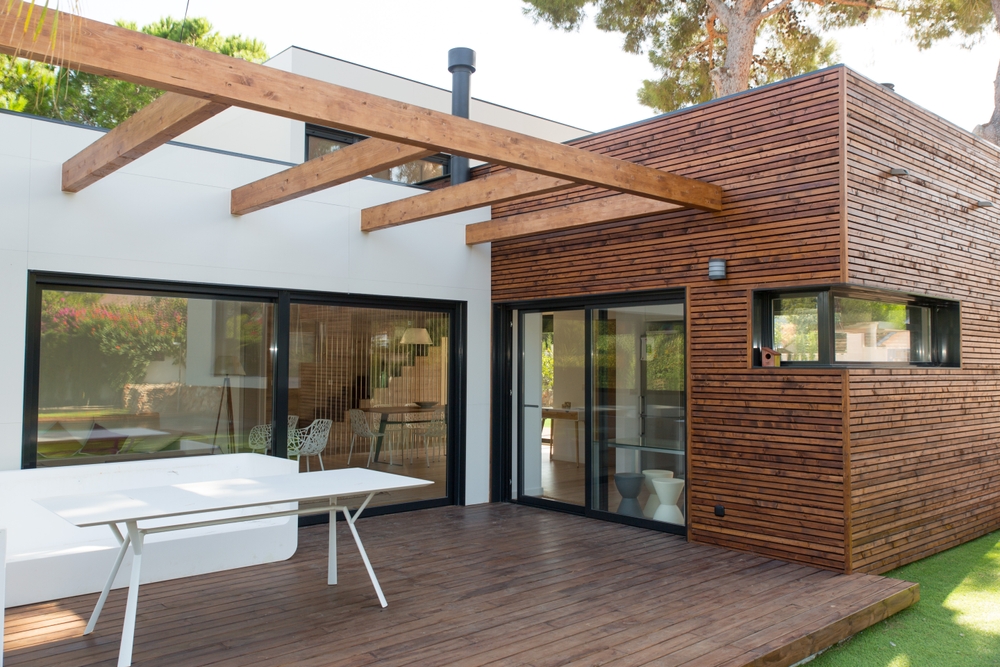
Designing for Longevity
The best renovations last in terms of emotional resonances and physical durability. Choosing flexible layouts and timeless enduring materials will reduce the need for future renovations. Don’t chase trends; they age quickly and focusing on adaptability is a smarter choice. A kitchen with modular components or a guest room that can double as a workspace are two solid examples. The home can shift as needs require and this can still lead to aesthetically pleasing choices. Selecting materials that age well, such as: brass, hardwoods, tiles and more, add character that only grows with the passage of time.
Biophilic Design: Reconnecting with Nature Indoors
This literally means “love of life”, it’s about the integration of natural materials, patterns and rhythms into a constructed environment. This could be adding a wall of indoor plants, choosing furniture that has natural features, adding curves, painting a wall green and more. The home will feel less like a box and more like a living space.
When spaces are rich with natural elements research shows that people feel more creative, they have improved cognitive function and they are less prone to stress.
Designing with nature in mind can be a healing process. An indoor water feature or window seat that overlooks a garden will transform the atmosphere. Even growing herbs in the kitchen can make the space feel calmer and more connected with life. Adopting a biophilic design ethos may deepen your connection with time, light moves as the day progresses, plants change with the season and you notice the cycles of life. These are all reminders that your home is part of a larger ecosystem.
Renovation as a Journey, Not a Project
Sustainable renovations should be seen as a journey and not a task. The process is the reward, there’s researching, learning, experimenting and sourcing fueled by your imagination. This is not something you want to perfect, it’s a place where you can build gradually over time. Patience is rewarding, you may have to wait for the right piece, save for ethical options and live without changes for a little while. This fosters presence and gratitude with an invitation to move slowly and with purpose. The spaces will reveal what they need and a quick fix is rarely the right choice. When you reach a natural stopping point you will have more than a sterile polished room. There’s a story behind how you got there and this transformation will reflect your own.
Choosing the Right Sustainable Renovation Projects
At first, the number of options may feel overwhelming, do you focus on reclaimed materials first? Do you need insulation, solar panels or a water reclamation system? Answering these questions is impossible, there is no universal roadmap and what may be a priority for someone else may not be the optimal first step for you. Consider your goals, your lifestyle and the condition of your home. Ask yourself how your home functions, address the practical and environmental concerns together.
Take some time to understand how sunlight moves, where the drafts are located and which rooms feel too hot or vice versa. Are there corners in rooms that don’t get any natural light? Observation is the first task when it comes to sustainable design, when you know how the home behaves and breathes, you are better equipped to make meaningful design decisions. This goes far beyond surface aesthetics, upgrading windows, sealing drafts and improving insulation are all solid choices. These positive changes will make the home more comfortable, serene and energy efficient.
When you’ve covered the basics, turn your attention to the materials you live with on a daily basis. This goes beyond labels like “green” or “eco-friendly” and it’s more about the finishes that tell an enduring story. Look at recycled glass countertops, reclaimed wood floors, lime plaster walls and other sources of texture, warmth and continuity. The old can become renewed and these materials can feel grounded in the local community. When you source materials, go local if possible, repurpose pieces you already have and don’t be afraid to experiment.
Now, it’s time to start thinking about areas where modern technology can mesh with your design choices to improve the sustainability of your home. Adding smart thermostats, solar-power solutions and LED efficient lighting are all practical investments. But, these systems also change how you interact with and experience your home. This can be subtle, but there is joy to be derived from knowing that the environment that you’ve created is efficient and self-regulating. Essentially, you’re saving energy and reducing waste without expending constant effort. The intent should not be to fill the home with gadgets, it’s an intentional integration of tech to quietly support the low-impact lifestyle that you’re striving for.
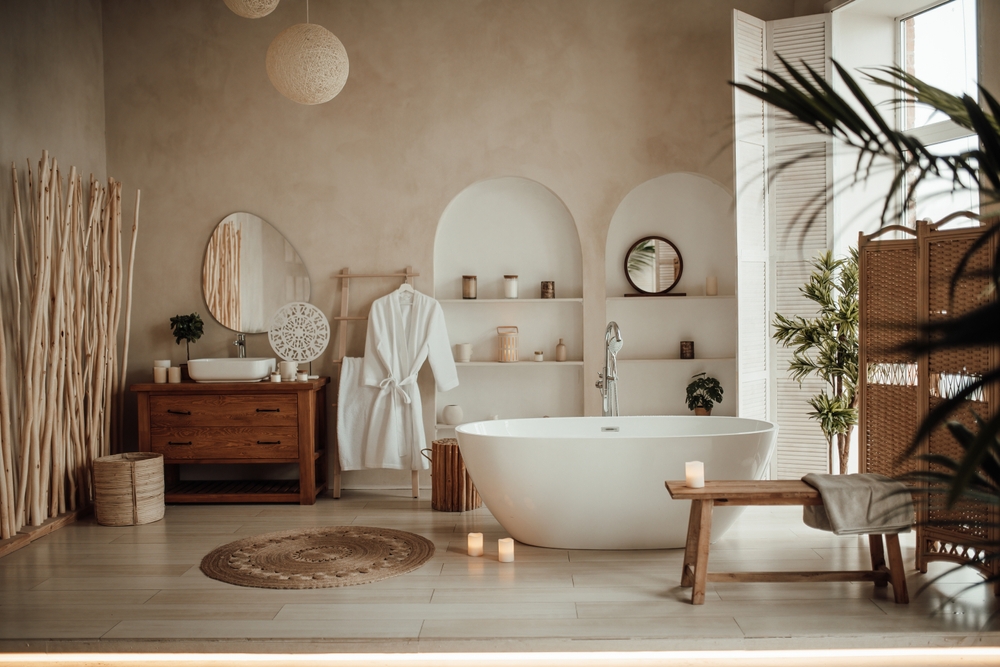
Some of the value that you add to your home may not be visible or financial. Many of the more meaningful renovations are those that have a positive impact on your daily rituals. This could be converting an unused patio into a small herb or vegetable garden where you grow some of your own food. Perhaps you can change that small dark space into a reading nook with a skylight? The bathroom could become a calm spa-like environment that blends rejuvenated fixtures with modern technology? When personal meaning drives your sustainable design choices your home can become an extension of your well-being.
The Meaning Beneath the Makeover
Ultimately, the concept of sustainable renovation doesn’t have to be limited to choosing eco-friendly materials and lowering the utility bills. It can be about much more, it’s the opportunity to align who you are, with how you want to live and what you believe in. Each creative design choice is an intentional declaration, the natural finishes, reused materials and clever touches are a way of saying “I’m part of something larger than myself”. You and your home are not a separate part of the world, it’s a microcosm of it, renovating with mindfulness and meaning improves your space and the wider world.