
Have you ever felt that the real adventure might not be waiting across an ocean, but just outside your own doorstep? Slow travel doesn’t always require a passport or a plane ticket—it begins with a shift in mindset. Rediscovering wonder close to home invites you to move through familiar spaces with renewed curiosity, noticing details that routine usually hides. It’s about trading itinerary checklists for genuine presence and meaningful connection.
The Essence of Local Slow Travel
Slow travel near home invites a deeper engagement with place. It’s the art of stepping into your neighborhood, town, or region as if you’re seeing it for the first time. Without the rush of transit or the distractions of logistics, you have the luxury of time—time to wander, linger, and notice.
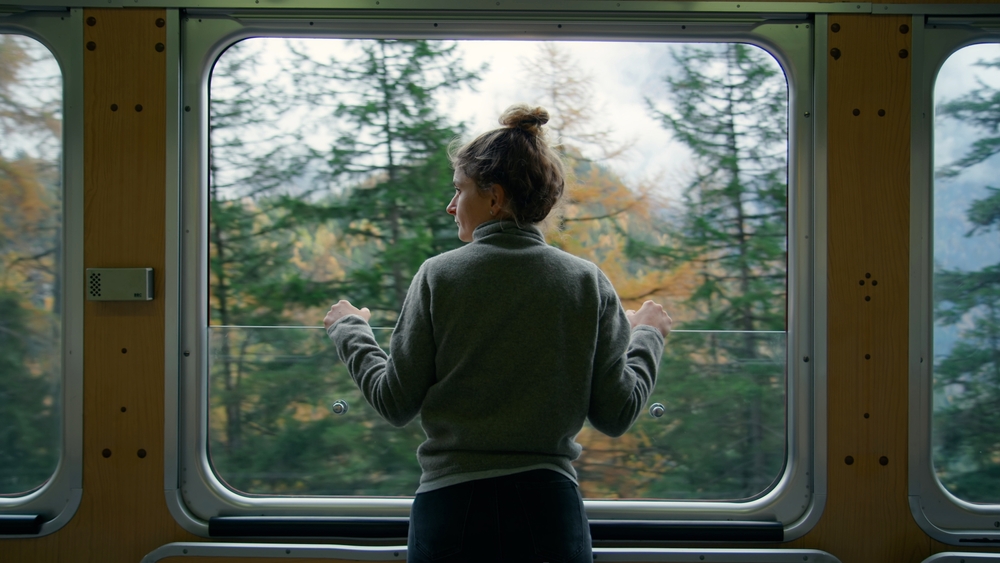
Instead of counting miles, you measure moments. A morning walk becomes an exploration of seasonal change; a visit to a nearby café turns into a study of people and stories. The act of staying local allows you to experience rhythm over novelty, presence over movement.
Why Staying Close Feeds the Soul
There’s something quietly restorative about finding beauty in what’s near. Traveling far can be exhilarating, but it often comes with fatigue and overstimulation. Local exploration, by contrast, aligns with the nervous system’s natural desire for calm and grounding.
- It fosters appreciation for the overlooked—historic buildings, wildflowers in a park, the smell of a bakery you’ve passed a hundred times.
- It reconnects you to your community, supporting small businesses and creative locals.
- It reduces environmental strain, minimizing carbon impact while maximizing meaning.
- It turns the familiar into a source of learning and awe, deepening your relationship with place.
When you slow down, the radius of wonder expands. You begin to see that “travel” isn’t defined by distance—it’s defined by depth.
Crafting Slow Itineraries Without Leaving Town
Designing a slow itinerary close to home means approaching your surroundings with intention rather than routine. It’s about setting aside time not just to do, but to experience.
Start by identifying what draws your curiosity. Perhaps it’s art, nature, architecture, or food. Then, create micro-itineraries that allow you to explore these themes without the pressure of covering ground.
- Plan a single-theme weekend, like visiting every local garden, market, or art space.
- Walk or bike to destinations whenever possible; the journey becomes part of the discovery.
- Schedule generous breaks—stop for tea, journal under a tree, or sketch a building that catches your eye.
- Explore familiar routes at unfamiliar times—sunrise walks, dusk drives, or rainy-day strolls can reveal an entirely different atmosphere.
- Visit a nearby town or district and spend the day as if you were a visitor—notice signage, talk to shopkeepers, take photos as though seeing it all anew.
These small shifts turn the local landscape into a canvas for reflection and renewal.
The Practice of Presence
The true heart of slow travel—wherever it happens—is mindfulness. It’s the willingness to inhabit each moment fully. Without the rush of airports or crowded itineraries, you can practice presence through sensory awareness.
Notice the texture of cobblestones underfoot, the pattern of leaves against the sky, the rhythm of your breathing as you walk. Listening becomes an act of reverence—birdsong, laughter, the hum of daily life.
By cultivating presence, you transform the ordinary into the extraordinary. What once felt mundane becomes textured with meaning. The more you practice this awareness, the more your local world feels alive and abundant.
Turning Familiarity Into Discovery
Rediscovering wonder close to home often begins with permission—to slow down, to be curious, to break routine. Try approaching your surroundings as a traveler might: ask questions, take notes, document beauty.
- Keep a local travel journal with sketches, pressed flowers, or reflections on daily walks.
- Map out hidden gems in your region, from nature trails to community theaters.
- Revisit places from your past and observe how they’ve changed—or how you have.
- Join local tours or workshops you might normally overlook; there’s always more to learn from those who know a place intimately.
- Treat small encounters—a conversation, a meal, a sunset—as milestones of meaning rather than checklist items.
By approaching daily life as a living journey, you rekindle a sense of wonder that no distant destination could guarantee.
The Reward of Staying Still
In a culture that celebrates movement, choosing stillness can feel almost radical. Yet stillness—both physical and mental—creates the space for genuine discovery. When you stay rooted, you start to notice life’s subtle details: the way light shifts through your window each morning, the rhythm of local sounds, the constancy of familiar streets.
Staying still doesn’t mean stagnation. It means rooting deeply enough to see how much vibrancy exists within reach. The less you chase, the more you find.
A World Waiting at Your Doorstep
When you slow down and look closely, the ordinary world unfolds in astonishing ways. A weekend spent exploring a nearby town can evoke as much renewal as a flight abroad. A walk through your local park can feel like a journey through time. The beauty of slow travel lies in the realization that you are always surrounded by stories—waiting for you to notice, to listen, to linger.
By practicing presence close to home, you don’t escape your life—you return to it, more awake and connected than before.