
Have you ever returned from a vacation feeling like you needed another one just to recover? The rise of slow travel is a quiet rebellion against that familiar fatigue. It’s about trading rushed itineraries and overstuffed schedules for presence, connection, and appreciation of place. Slow travel invites you to savor experiences, not just collect them, redefining what it means to explore with intention rather than impulse.
The Essence of Slow Travel
Slow travel isn’t defined by how long you stay somewhere, but by how deeply you engage while there. It emphasizes quality over quantity—choosing to linger in one town rather than hop between ten, or spending a morning talking to a local baker instead of checking another landmark off a list. The idea is simple yet transformative: by slowing down, you allow time to reveal a destination’s true character.
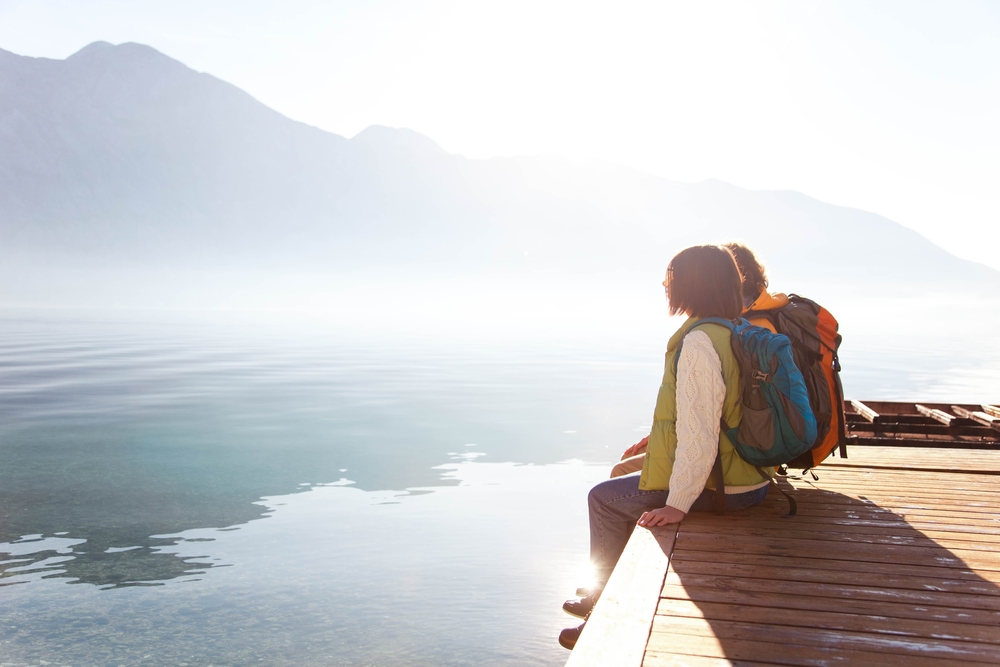
At its heart, slow travel values immersion. It invites travelers to walk rather than rush, to notice details, and to appreciate the rhythm of a place without the filter of constant movement. This approach nurtures mindfulness and often leads to more meaningful encounters with both people and culture.
How Slow Travel Changes the Experience
A slower pace transforms travel from an act of consumption into one of connection. When you move through a destination deliberately, you see beyond the surface attractions and begin to understand its heartbeat—the sounds, smells, and subtle patterns that make it unique. This kind of experience doesn’t just create memories; it deepens perspective.
- Staying in one region longer can help you form relationships with local artisans, guides, or hosts
- Taking public transportation allows you to observe everyday life in motion rather than merely the highlights
- Visiting markets and family-run restaurants instead of chain establishments supports the local economy and introduces authentic flavor
- Renting a home or small apartment encourages you to live, shop, and cook as locals do
Each of these choices brings you closer to the genuine essence of place, transforming travel from something done to a location into something shared with it.
The Emotional Benefits of Traveling Slowly
In a culture that prizes speed, slow travel offers a rare opportunity to reconnect with a more natural rhythm. There’s a sense of relief in letting go of the checklist, of realizing that joy doesn’t come from how much you do but how deeply you experience it. This shift often brings emotional clarity and a renewed sense of balance.
- Reduced stress: Fewer transitions between places means less logistical tension and more mental calm
- Greater presence: Without the distraction of constant movement, moments feel richer and more memorable
- Lasting fulfillment: Instead of fleeting satisfaction, slow travel leaves a deeper sense of contentment
Traveling slowly also aligns with a growing desire for sustainability. When we choose to stay longer, fly less, and engage more consciously, our environmental footprint naturally shrinks. The slower route not only nurtures personal well-being but also respects the places we visit.
Crafting Your Own Slow Travel Journey
You don’t need months away or a grand plan to embrace the essence of slow travel. It’s more about intention than duration. Begin by simplifying. Choose one meaningful destination and give yourself permission to experience it without hurry.
- Focus on fewer destinations but longer stays
- Schedule downtime—leave room for spontaneity or simply doing nothing
- Learn basic phrases in the local language as a gesture of respect
- Walk, bike, or take local transit instead of rushing by car or train
- Prioritize experiences that connect you to people and traditions
Even short trips can embody this mindset. A weekend spent fully present—wandering side streets, savoring meals, observing daily life—can feel more restorative than a week of frantic sightseeing.
A Return to Meaningful Movement
Slow travel is more than a trend; it’s a gentle realignment of how we approach the world. It reminds us that exploration isn’t a race or a checklist, but a dialogue with place and self. In slowing down, we begin to travel not just across distances, but within moments—discovering that the most profound journeys often unfold at the quietest pace.
By embracing the art of unhurried journeys, travel becomes what it was always meant to be: not an escape from life, but a deeper way of living it.