
Have you ever returned from a trip feeling more drained than refreshed? For many, travel has become another form of busyness—packed itineraries, constant movement, and little time to breathe. In response, a new kind of getaway is emerging: the restorative retreat. These journeys focus less on sightseeing and more on realignment—of mind, body, and purpose—turning travel into a vehicle for renewal rather than exhaustion.
Restorative retreats blend wellness with wanderlust, drawing travelers who crave meaning as much as adventure. From forest sanctuaries to oceanfront meditation centers, these experiences are crafted to help guests pause, reconnect, and reset. The trend reflects a larger shift in how people approach both health and leisure: the recognition that rest itself can be transformative.
Why Restorative Retreats Are Gaining Momentum
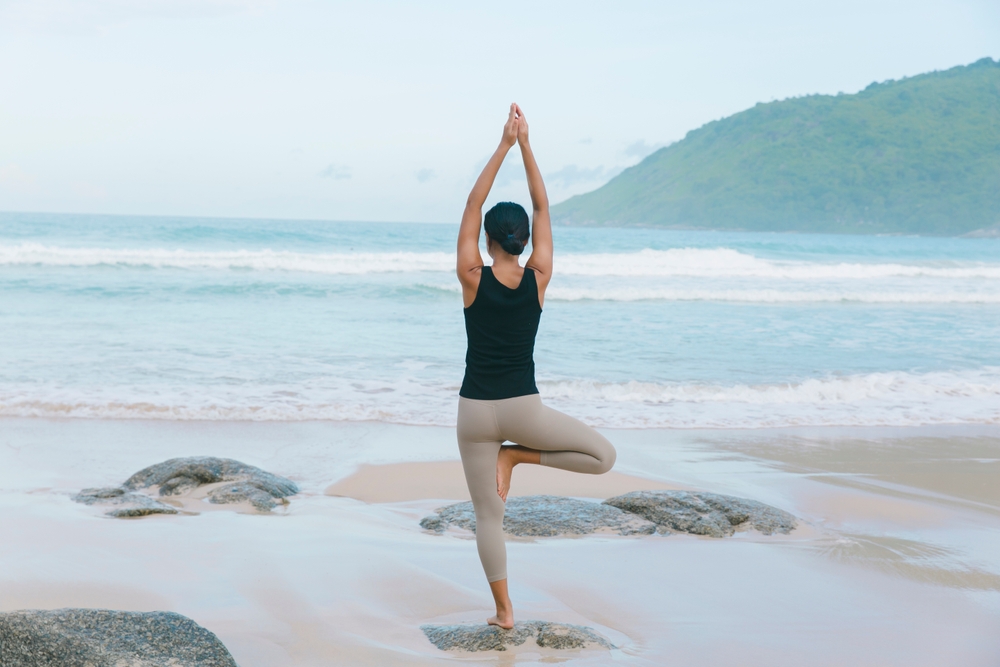
Modern life is fast, and even vacations often mimic that pace. Restorative retreats push against this current. They create space for intentional slowness, balancing physical practices like yoga or hiking with reflective ones like journaling or guided silence. The aim isn’t to escape life, but to reenter it more centered and clear.
Several forces are fueling the rise of these retreats.
- A growing awareness of stress-related health issues and the need for prevention, not just recovery
- A cultural embrace of mindfulness and minimalism, replacing consumption with connection
- The blending of work and life, leading travelers to seek structured opportunities for disconnection
- The influence of social media showing quiet, natural, or meditative escapes as aspirational goals
For many, restorative travel represents a recalibration—a chance to step back and consider what balance truly looks like.
Elements That Define a Restorative Retreat
Not all wellness getaways are restorative. The difference lies in intention. A restorative retreat is purposefully designed to support the nervous system, calm the mind, and reconnect individuals with rhythms larger than their own.
- Nature immersion: Locations chosen for stillness—mountains, forests, lakes, deserts—where natural sounds replace digital noise
- Structured mindfulness: Daily rituals such as guided meditation, mindful movement, or breathing sessions to create consistency and calm
- Nourishing cuisine: Meals emphasizing whole, local ingredients served slowly and intentionally
- Digital boundaries: Limited Wi-Fi and phone use to encourage genuine rest and focus
- Reflective practice: Journaling prompts, one-on-one coaching, or group dialogue that foster self-awareness
The result is a layered experience that addresses more than the body—it tends to the soul’s fatigue and the mind’s constant hum.
From Luxury to Simplicity: The Expanding Spectrum
Restorative retreats once occupied a niche market of exclusive spa destinations. Today, they span a wide spectrum—from minimalist eco-lodges to high-end wellness resorts—making the concept accessible to many. Some retreats emphasize rustic simplicity, offering yoga platforms overlooking rice terraces or cabins nestled in forest canopies. Others weave in comfort and indulgence, pairing mindfulness sessions with personalized treatments and gourmet cuisine.
Popular Themes
- Yoga and breathwork immersions for mental clarity
- Sleep retreats focusing on circadian rhythm restoration
- Creative renewal workshops combining art, writing, and nature
- Forest bathing and wilderness therapy for deep reconnection
- Sound healing and energy balancing for emotional reset
Each variation appeals to a different need, yet all share the same goal: restoration through presence.
The Emotional and Physical Benefits
Beyond relaxation, restorative retreats often deliver measurable health and emotional outcomes. Participants frequently report lower stress, improved mood, and sharper mental focus. The combination of natural surroundings, mindful movement, and intentional rest activates the body’s parasympathetic system—the “rest and digest” mode that modern living often suppresses.
The benefits ripple outward.
- Enhanced emotional regulation and stress resilience
- Improved sleep quality and hormonal balance
- Heightened creativity and problem-solving ability
- Stronger sense of purpose and perspective
- Renewed commitment to self-care practices after returning home
Many retreat participants describe a subtle but lasting shift: the realization that peace isn’t found in distant destinations but in the ability to slow down wherever they are.
Designing Your Own Restorative Escape
For those not ready to book a full retreat, the principles can be applied to any travel—or even a weekend at home. The key lies in setting an intention before you go. Ask yourself what kind of renewal you need most: physical rest, emotional release, or creative inspiration. Then shape the experience around that goal.
Practical Ideas
- Choosing destinations that invite quiet and reflection rather than constant activity
- Limiting devices to certain hours each day to reclaim mental space
- Planning one meaningful ritual—sunrise walks, evening journaling, gratitude pauses
- Allowing unscheduled time to wander, nap, or simply sit without agenda
When designed with mindfulness, even a short trip can become a form of retreat.
A New Way of Traveling Forward
The rise of restorative retreats signals a broader evolution in how people define luxury, success, and time well spent. It’s no longer about how far we go, but how deeply we connect—to place, to purpose, and to ourselves. As travel becomes more conscious, these experiences remind us that healing doesn’t always require movement; sometimes it asks for stillness in motion.