
There is a thrill to traveling when you find yourself exploring a street with no other tourists around. The rhythm of daily local life is evident, things are moving at a natural pace and the cafes are not full. These moments are when travel stops being about ticking off landmarks or finding the perfect selfie spot that everyone else uses. The trip becomes personal, slower and more authentic. This is the true secret of off-season travel, it’s not the discounted deals, it’s a chance to experience the true spirit of travel.
Beyond the Price Tag
The first thing that most people think about when you mention off-season travel are the potential savings on airfare, hotels and more. This is true, there is real financial relief to be had if you avoid the temptation of the high-season rush. The airfare will drop, that dinner that cost a fortune in July is a real bargain and the hotels are happy to throw in extras. Everyone likes a great deal, but these tangible savings are only scratching the surface of what truly matters. What truly sets apart these quieter months is not the lower cost of travel, it’s the larger experience that’s waiting for you.

During the peak seasons, the most popular destinations are transformed into locations that resemble theme parks. The locals are in short supply; they left to avoid the price hikes and the crowds and only the people dependent on tourism remain. Those celebrated must-see sights start to feel like checkboxes rather than revelations. When the crowds thin and the heat of summer has passed, the place can breathe again till next year. This is when the authenticity returns, mass tourism is not a factor and the traveler is a welcome guest and not a customer. Off-season travel gives us the opportunity to see a place as it is and not as it performs to entertain tourists.
Inspiring Off-Season Travel Destinations
The Rhythm of Slower Travel
Each destination has a rhythm of its own, this is the pulse of life that changes with the seasons. During the summer months, this is faster; the beaches are full, there are lines at the galleries and museums and even quaint villages may buzz with visitors. During off-season months, the pace is far slower, the tempo is more human and there’s time to linger in the cafe with no pressure to clear out for the next reservation. A conversation can stretch out, walks may meander and the day may unfold naturally with no strict schedule to follow.
This slower pace can lead to unexpected magical moments that you cannot plan for and you won’t find them in travel guides. You may be invited to join a game of boules, share a story with a shopkeeper or visit a kitchen to learn a recipe. Locals will have time to talk, they are often curious about foreigners and may be keen to show off their language skills. Perhaps you will converse with them in their own tongue and they can teach you some words and phrases in their proper context. This is when you may see smaller festivals, concerts and other events that lie outside the high-season rush. There are deeper sensations to experience like a church bell in an empty square, a breeze moving through the olive groves and waves lapping on an emptier beach. These moments will stay with you for a long-time after your trip ends.
Reclaiming Space — And Solitude
Finding mental, physical and emotional space in crowded places is always a challenge. By their very nature crowds have a compressing effect on how a space is perceived and used. So, you could be standing before the Mona Lisa or Michelangelo’s David and feel like you’re at a rock concert. The art is still there, you’re viewing it, but any connection that you make may feel muted by the buzz of people around you.
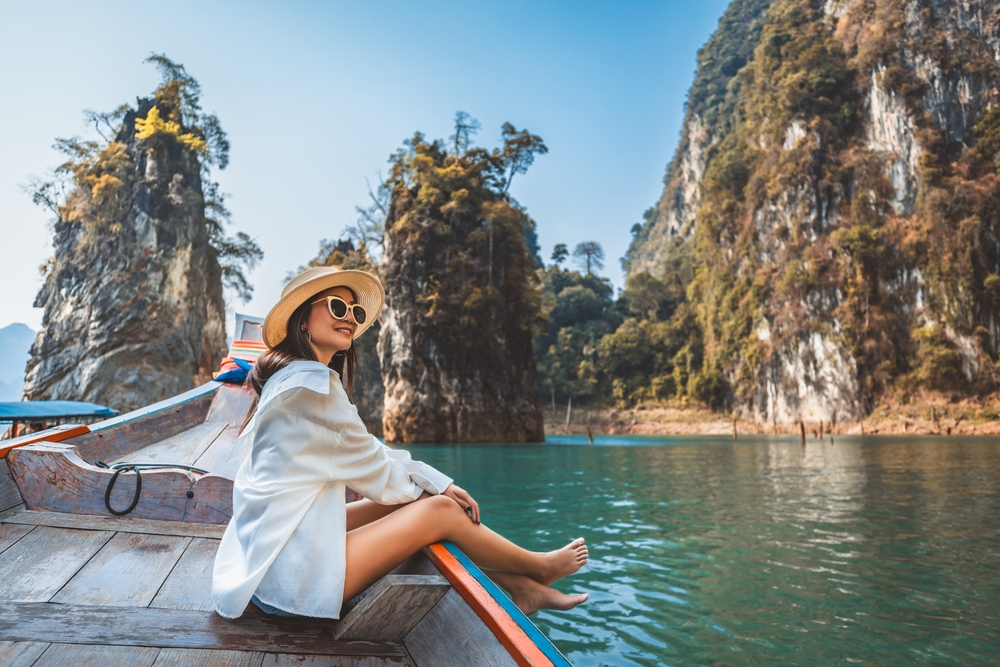
In the off-season months, those same spaces feel expansive, there’s no need to fight for a place to catch a brief glimpse. There’s time to take a longer look and fully appreciate the place or object. Imagine taking a stroll in late January when it’s cold in Paris or some other European capital and you can hear your footsteps on the stone cobbles. There’s time to seek some warmth in a cafe frequented by locals and try a local beverage. These solitary moments take on a life of their own, they give us time for reflection on the culture, history around us and our place in it.
When we travel off-season, we tend to slow down internally to match the pace of the world around us. This can be a revelatory experience in an age where every moment is documented, shared and commented on. Taking the time to explore a place and having it to yourself can be deeply restorative. This is when we no longer have a performative experience and we start to live in the moment.
The Human Connection
During peak months, the hospitality professionals, such as: hotel staff, tour guides and taxi drivers are busy. They may be polite and efficient, but they don’t have any time to spare beyond their duties. There’s no chance of having an in-depth conversation or learning something deeper about the local culture and history. With off-season travel this dynamic is entirely different, the pace is slower and people may open up.
There may be time to chat with market vendors about where they source their olives. A winemaker may have time to talk as you sample their wine and have stories about their vintages. A tour guide may be able to spend more time deeply explaining a topic which can give you unexpected insights. These unhurried interactions can shape your understanding of a destination that would be impossible during peak times.
Weathering the Weather
One reason why people avoid off-season travel is their concern about bad weather and unpredictability. For those seeking reliable sunshine and stability for their trip, this can be a deal breaker. But, there is authenticity and romance when the elements are embraced and you get to see how the place functions when the tourists have left. A snowy street in a European capital can feel like a cinematic experience and misty moors in England are enigmatic. When weather is embraced, it ceases to be an obstacle and it becomes part of the trip.
When we travel in less-than-perfect conditions, we have clearer memories of our experiences. Finding refuge in a pub to escape a sudden downpour that you would have otherwise passed can lead to unexpected consequences. There are gestures of comfort, shelter and warmth in making adjustments to your plans. A sunny beach every day is pleasant enough, but for seasoned travelers a rainy day speaking with a local may be the more memorable experience.
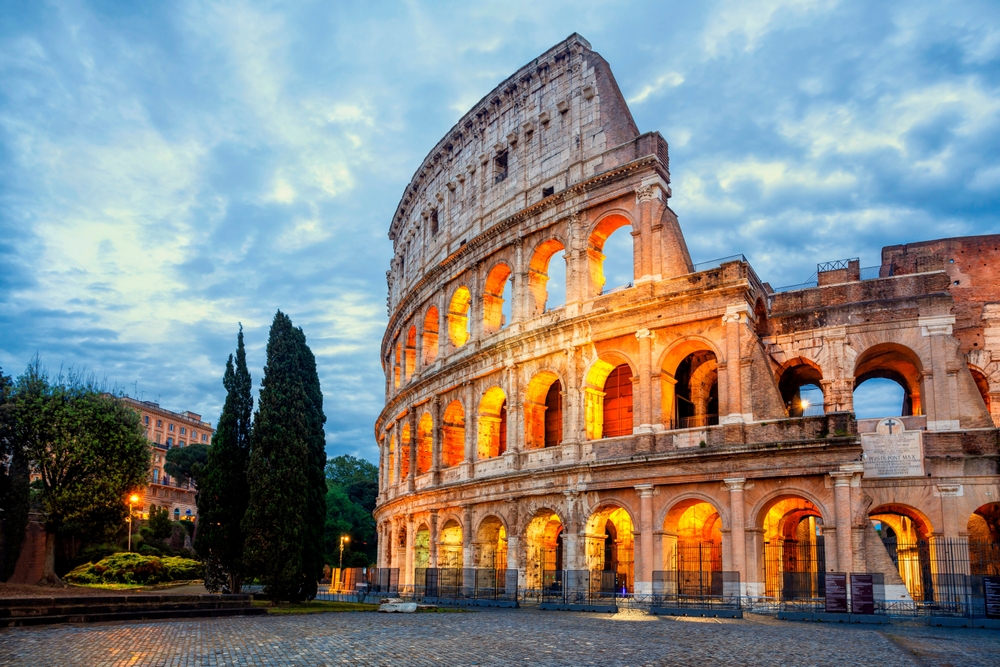
The weather transforms places that are familiar in some surprising ways that most tourists wouldn’t consider. In winter, the canals in Venice have a mirror-like pale quality due to the fog at the edges of squares and the moonlight. In Greece, the crowded beaches of the summer give way to intimate parties, walks and gatherings in spring and fall. This is when fishermen fix their nets and grill fish on the beach. Even a busy city like Paris or New York feels entirely different at Christmas. This is when aspects of urban life that are often overlooked by tourists are revealed.
The Gift of Perspective
To reconnect with what travel can really mean, it’s a great idea to try off-season travel. Those quieter months invite introspection and you can learn a lot about our own expectations at a slower pace. Much of modern tourism is now performative in nature, it’s about social proof and authenticity can be in short supply. That race to see everything will dilute the essence of a culture and there’s no opportunity for a deep dive.
During off-season months that rhythm is broken, there’s a gentle rebellion against it and there’s time to savor those smaller moments. This could manifest as local conversations, the smell of baking bread, local festivals and other aspects of life that busy tourists don’t see. This mirrors the natural life cycle, there’s time when we need to reflect, rest and renew before we return to our busy lives. We have the opportunity to satisfy our curiosity, approach the world with a little humility and bring some wonder back into our trip.
Off-Season Around the World
Different regions around the world reveal their true personalities when the crowds have left. Early spring and late fall in southern Europe have slower days and softer light. In November, visitors to Tuscany in Italy may see the wine harvests and smell truffles in the air as they’re harvested. Over in coastal Spain from the Costa Brava down to Cadiz, the tapas bars are now filled with neighbors and the sea has reclaimed its natural rhythm. Up north in Scandinavia, the winter months are a time of quiet reflection and the northern lights can be seen in the Arctic skies. Like the Canadian eastern provinces in late fall, there’s a sense of isolation that feels vast and timeless.
The off-season in Asia can be very different, there may be cooler months and monsoons to contend with. These conditions may reveal hidden vistas that most tourists would miss during the warmer months. In Bali, the rice terraces gleam, the rivers fill and the rain makes the fauna fragrant and lush. In Northern Vietnam in the early spring, the markets are bustling, but not chaotic and over Ha Ling Bay there’s lingering mist. Japan is famous for spring bloom, but in autumn the landscape looks like it’s painted in crimson and gold.
Latin America has similar hidden treasures to explore. In Costa Rica, the “green season” is when rain bursts over the jungle and every plant seems to grow vibrancy. The Sacred Valley in Peru feels like a place where you can contemplate and listen to the wind outside the busy tourist season. Those willing to brave the rainfall will discover that the wildlife is more active, the waterfalls are fuller and the accommodations are more personal and quieter.
In the United States, there are numerous opportunities for off-season adventures. In winter, the Grand Canyon is serene and otherworldly, yet there are very few visitors. The coastal towns from Maine to Oregon take on a different character when the summer rentals have emptied and the locals reclaim them. In the Smoky Mountains, the early spring brings foggy conditions and the wildflowers are blooming everywhere. For Americans, these are accessible experiences, but they are far out of the ordinary and most people never take the time to experience them.
A New Kind of Luxury
In an ironic twist, many of the things that travelers are chasing in high season like authenticity, connection and exclusivity are abundant during the off-peak months. There’s a new kind of luxury that can’t be found in curated experiences and five-star hotels. This lies in the freedom to explore a place without hurrying and with the filters removed. There’s an opportunity to feel at home in a place that isn’t our home.
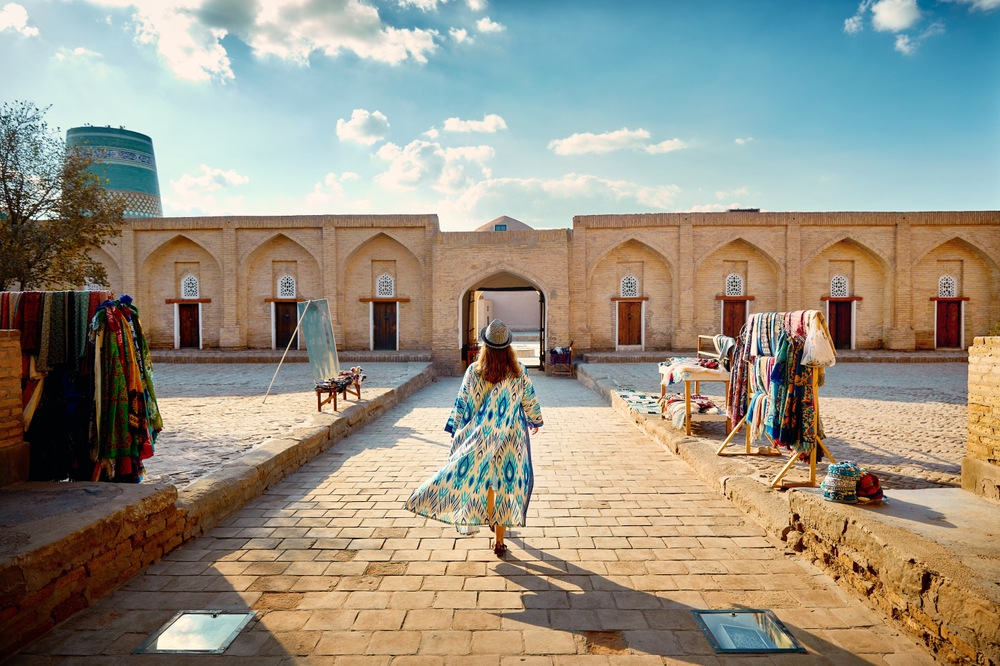
Off-season travel can redefine what it means to authentically experience a destination. An ordinary moment can be changed into something marvelous like drinking coffee on a rainy day in Lisbon or walking on frost covered cobbled streets in Krakow. These are fragments of life that are unscripted and humble and yet they can carry the same resonance as a grand attraction. This travel philosophy is not about seeing more, it’s about being more present and receptive and finding the beauty that’s often hiding in plain sight.
Rediscovering Wonder
Our world feels like it’s growing smaller by the day with cheap flights, social media and digital maps. Translating languages is easier and exploration is accessible and very predictable. But, the pure essence of travel is still curiosity, wonder and surprise. These elements thrive in uncertainty and off-season travel can bring some of that back into your trip. When we travel out of season, there are fewer guideposts to follow and our expectations are not set. Every day can unfold in unexpected ways that a detailed itinerary cannot predict.
A rainy morning may clear, the afternoon is sunny and that closed gallery could lead to conversation in a nearby cafe. Many you miss a bus and embark on an entirely new journey to discover something that isn’t in a guidebook. These serendipitous events are usually missed during the rush of high-season travel. When you travel off-season, the world feels like an unscripted adventure again, it’s exciting and there’s no telling what the day may bring. So, it’s important to embrace authenticity, spontaneity and imperfection by going with the flow. When we do this we can discover more about the destination and rediscover a curious piece of ourselves at the same time.
Making the Most of Your Off-Season Journey
Planning an off-season trip requires a different mindset than the usual high-summer vacation. This is part of the adventure, some flexibility in your attitude and the logistics will be necessary. The schedules and weather may change, but unpredictability can produce the best experiences and stories.
To start, research what off-season means in the destination that interests you. This will be different everywhere, the lull in Europe is between late October and early March, but in tropical locales, the rainy months are much quieter. When you’ve found your window, check for locally run accommodations like guesthouses and smaller hotels. Check that they are open year-round, these places tend to be more welcoming and personal when the crowds have left.
When you pack, choose layers, sturdy shoes and a good rain jacket may be essential items. If your packing is versatile, you can turn a gray miserable day indoors into an adventure outdoors. Remember that many attractions may have adjusted opening hours when there are fewer tourists around. Double-check opening times for attractions and local events that interest you before you set out each day.
Transportation may also vary depending on the season, certain mountain roads may be closed, ferry routes may have variable times and there could be fewer trains. With fewer connections ,you will naturally need to slow down, but you will see more along the way. If you travel by local bus or rent a car, you can open up parts of a region that a high-season itinerary would overlook.
When Timing Turns Travel Into Discovery
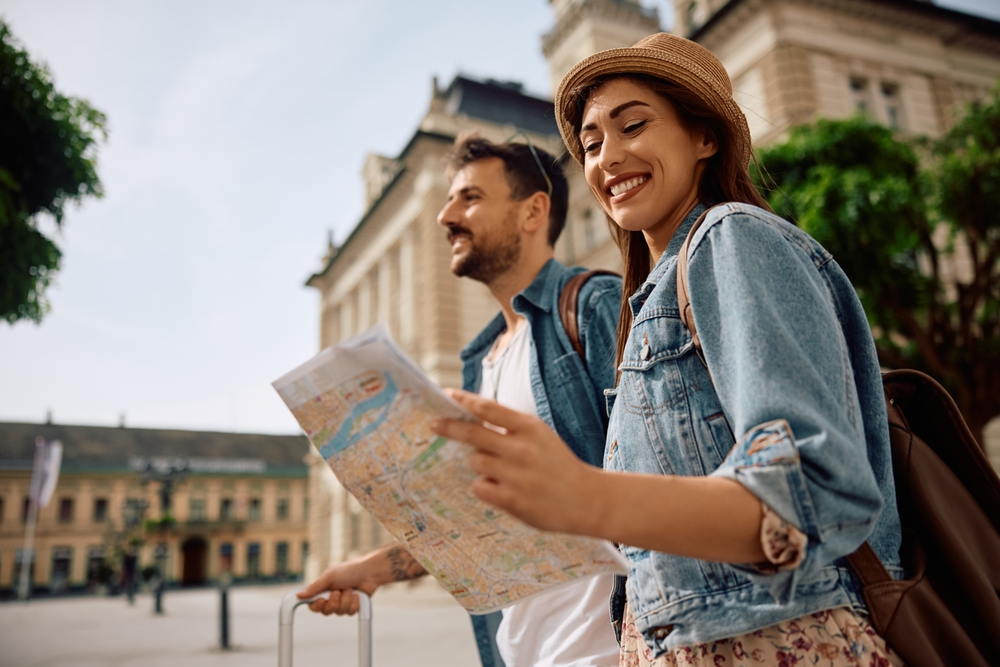
Off-season travel is not about compromising to get a better deal. It’s about making real connections with a place and time and having more of that for yourself. The weather may not be optimal, some of the tourist traps may be lacking, but there will be an abundance of experiences waiting to be uncovered. The locals are more likely to reveal the true culture, history and texture of their home to those visiting at different times of the year. Many off-season travelers get great deals, but more importantly they return home more informed, changed and refreshed by their trip.