
What does “home” mean in an era where affordability feels increasingly out of reach? Across the United States, the concept of living well on a budget is evolving. Skyrocketing housing costs, shifting work patterns, and changing values have sparked a wave of creativity in how people think about space and community. Co-living, micro-apartments, and other inventive housing models are redefining the landscape—offering thoughtful alternatives that balance comfort, connection, and cost.
Co-Living: A Return to Connection
In many ways, co-living is a modern revival of an old idea: shared living that emphasizes community and cooperation. Yet today’s co-living spaces blend practicality with design and technology, offering residents private bedrooms with shared kitchens, lounges, and amenities that feel more boutique than dormitory. Monthly rent typically includes furnishings, utilities, Wi-Fi, and cleaning services, streamlining costs and reducing stress.
But beyond financial appeal, co-living fills a social need. As remote work and digital lifestyles make isolation more common, these communities offer genuine connection. Residents might cook together, share ideas, or participate in organized events—from wellness workshops to networking dinners. For many adults in transition—downsizing, moving cities, or simply seeking companionship—co-living provides an environment where independence coexists with community.
Developers such as Common, Outpost Club, and Ollie have made co-living accessible in cities from Los Angeles to Washington, D.C., catering to professionals who value flexibility without sacrificing comfort. It’s a model built not just on affordability, but on human connection—a value increasingly central to the modern idea of home.
Micro-Apartments: Efficiency Meets Elegance
Micro-apartments have become a hallmark of smart, intentional living in high-cost cities. Averaging between 250 and 400 square feet, these compact homes are designed to maximize functionality through innovation. Fold-down beds, convertible tables, sliding partitions, and built-in storage allow a single room to serve multiple purposes. Architects are designing micro-units that feel surprisingly spacious—emphasizing light, flow, and thoughtful layout over sheer square footage.
The appeal extends beyond cost savings. For those who spend their days exploring the city, traveling, or working remotely, a smaller home often feels liberating. It encourages a “less is more” mindset, reducing clutter and consumption while freeing up income for experiences that truly enrich life. Cities such as New York, Seattle, and San Francisco have embraced these developments as part of broader strategies to increase housing density and sustainability.
Micro-apartments embody a new kind of luxury—one rooted in simplicity, efficiency, and intentionality. They remind us that living smaller can mean living smarter, especially in a world where space and serenity are both at a premium.
Creative Housing Models: Rethinking What’s Possible
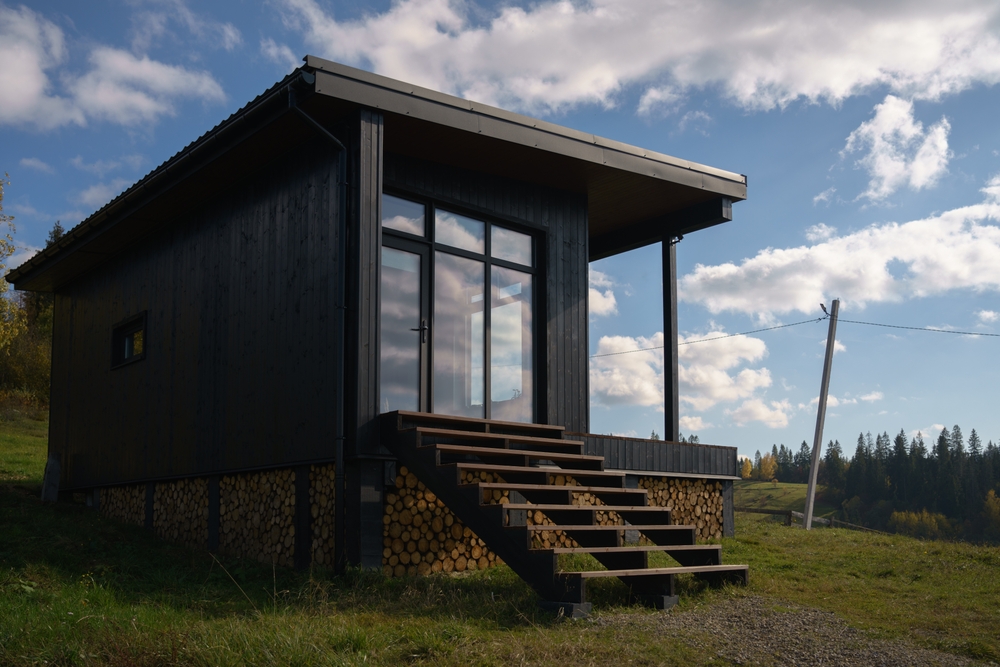
Beyond shared and compact living, innovative housing solutions are emerging nationwide to meet evolving needs. Tiny homes, often ranging from 200 to 500 square feet, offer freedom from large mortgages and the chance to live sustainably with a smaller environmental footprint. Some communities, like those in Oregon, Colorado, and North Carolina, are now composed entirely of tiny homes—blending affordability with a sense of shared purpose.
Adaptive reuse projects are another exciting frontier. Across the country, developers are transforming abandoned schools, factories, and office buildings into vibrant residential spaces. These conversions breathe new life into aging infrastructure while preserving a sense of place and history. They’re also eco-conscious, reducing the carbon footprint associated with new construction.
Meanwhile, accessory dwelling units (ADUs)—small, self-contained homes built on existing properties—are helping families expand housing options affordably. ADUs can house aging parents, returning college students, or renters seeking privacy without isolation. By turning underused yards and garages into livable spaces, homeowners contribute to local housing supply while strengthening intergenerational ties.
Designing for Affordability and Well-Being
What unites these housing innovations is an emphasis on design that enhances both practicality and emotional well-being. Architects and urban planners are increasingly prioritizing natural light, flexible layouts, and shared outdoor areas to promote health and connection. Sustainability is also central: energy-efficient appliances, eco-friendly materials, and smaller footprints help reduce long-term costs while supporting environmental goals.
These design choices reflect a broader shift toward mindful living—spaces that serve not just as shelters, but as environments that nurture creativity, rest, and community. The next generation of affordable housing will likely combine technology (like smart home systems) with human-centered design that prioritizes quality over quantity.
A Shift from Ownership to Experience
Perhaps the most profound transformation isn’t architectural—it’s cultural. Homeownership, once the ultimate marker of stability, is being reimagined. More people are prioritizing flexibility, location, and lifestyle over owning property. Renting no longer feels temporary; for many, it’s a conscious choice that allows freedom from maintenance, mortgages, and geographic limitations.
This perspective aligns with a growing focus on experiences over possessions. Living well is less about accumulating things and more about curating a life that feels fulfilling. Co-living spaces, micro-apartments, and creative housing all support this evolving vision—one where home adapts to life, rather than the other way around.
Looking Ahead: The Promise of a More Thoughtful Future
The future of affordable living is not about compromise—it’s about creativity. As housing challenges persist, Americans are proving remarkably resourceful in finding ways to live beautifully within their means. Cities and communities that embrace flexible zoning, sustainable design, and inclusive planning will lead the way, showing that affordability and aesthetics can coexist.
Ultimately, these new housing models invite us to rethink what makes a home meaningful. It’s not always the square footage or the neighborhood prestige—it’s how a space supports connection, balance, and joy. Whether it’s a shared living space that sparks conversation, a tiny home that offers freedom, or a repurposed building that preserves heritage, the future of living well may be smaller, smarter, and far more inspired.